
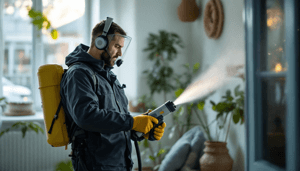
Lead Your Pest Management Program By Example
In 2025, effective pest management is more critical than ever for businesses striving to maintain a safe, healthy, and reputable environment. Leading by example in your approach to pest control not only safeguards your premises but also establishes a high standard of care for employees and stakeholders. A single pest can signal a larger problem, and swift action is key to preventing a minor issue from escalating into a full-blown pest infestation. This guide explores the essential components of a modern pest management program, offering expert strategies to protect your business.
The Core of Modern Pest Control: Integrated Pest Management (IPM)
A robust pest management strategy begins with a comprehensive understanding of the challenges and solutions available. The gold standard in the industry is Integrated Pest Management (IPM), a sustainable and science-based approach to controlling pests. Originally perfected by growers to protect their crop from pest damage, IPM is a holistic philosophy that is now essential for every business. This method moves away from reactive pesticide use and toward a proactive, long-term system.
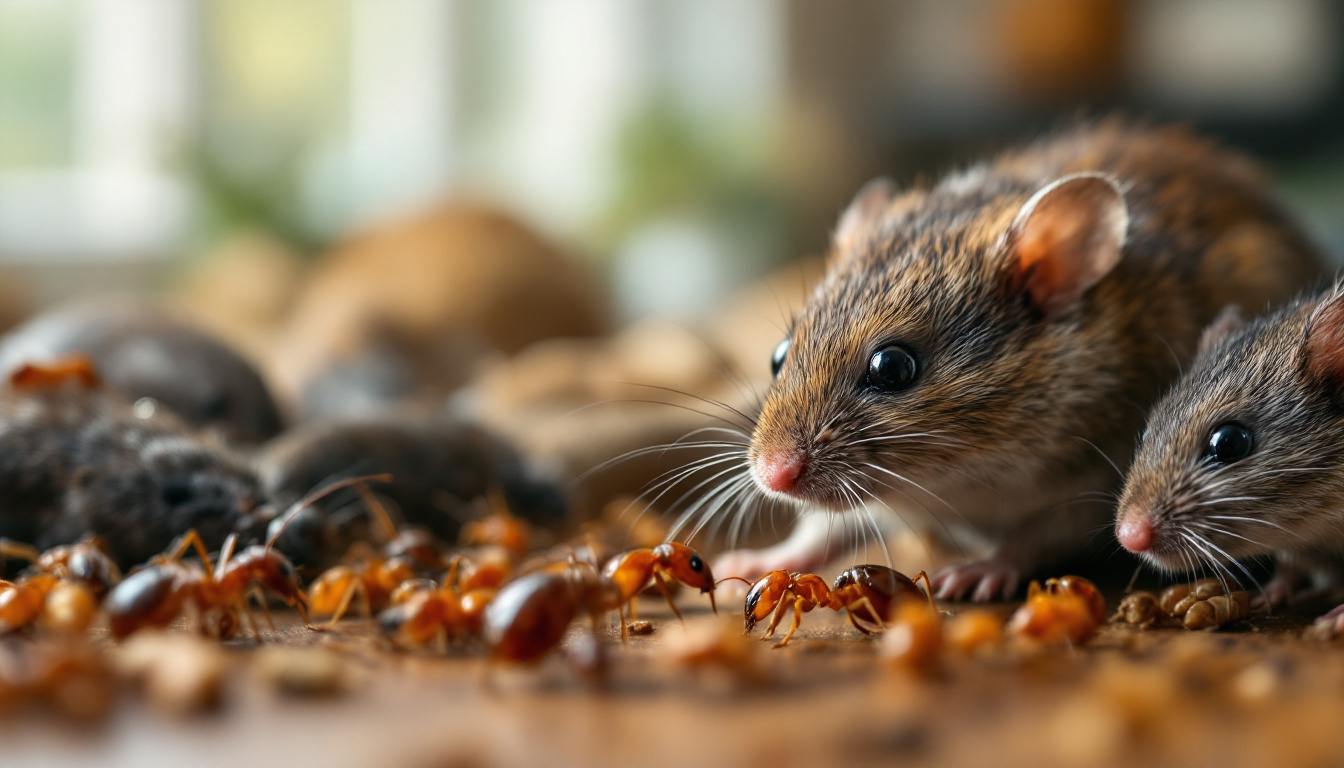
An IPM program prioritizes pest prevention and combines multiple control methods to manage pest populations effectively. It’s a comprehensive management plan that minimizes risks to human health, property, and the environment. This approach is fundamental to sustainable pest management and is endorsed by leading bodies like the National Pest Management Association.
A Spectrum of Control Methods
Integrated Pest Management isn't a single solution but a strategic combination of techniques. A professional service will assess your unique situation to determine the best course of action from all available pest control methods.
Biological Control: A key component of IPM is leveraging nature itself. Biological control uses an organism's natural enemies—like predators or parasites—to reduce a pest population. This can involve introducing beneficial insects to an environment to manage a harmful insect species. This method is highly targeted and reduces the need for chemical intervention.
Cultural and Physical Controls: These management practices focus on modifying the environment to make it less attractive to pests. This includes proper sanitation, waste management, and exclusion techniques like sealing cracks and crevices to block pest entry. This is the first line of defense in managing pests.
Responsible Chemical Application: When other methods are insufficient, targeted pesticide application may be necessary. Modern pest management emphasizes responsible pesticide use, adhering to strict pesticide regulation guidelines. The goal is to select the right product, like a specific insecticide, and apply it precisely to minimize pesticide exposure for people and non-target organisms. Protecting beneficial species like honey bees is a top priority. A professional will implement a pest control action that is both effective and environmentally conscious.
Identifying and Understanding Common Business Pests
To effectively implement any control method, you must first know what you're up against. Proper pest identification is the critical first step in addressing any pest problem. Different pest species require different management strategies, from an invertebrate like a cockroach to vertebrate pests like rodents.
The Silent Invaders: Bed Bugs Facts Every Business Should Know
Bed bugs are a significant threat, especially for hospitality and high-traffic businesses. They are expert hitchhikers and can quickly lead to a tarnished reputation. Recognizing the signs—such as small blood stains or shed skins—is vital. Understanding their life cycle, including pest mating habits, helps in developing a strategy to disrupt their proliferation and prevent pest establishment. Early detection through regular inspections is key to avoiding a widespread infestation.
Seasonal Surges: Why Summer Increases Pest Activity
Summer brings a noticeable spike in pest activity. Warmer temperatures and higher humidity create ideal breeding conditions for many pests, including mosquitoes, ants, and flies. This can lead to a rapid increase in the local pest population. Businesses must be vigilant, focusing on eliminating standing water and managing waste to reduce attractants. Increased outdoor activity means more opportunities for pests to thrive, making proactive pest control essential during these months.
Mosquito Control Solutions
Mosquitoes are more than a nuisance; they are a health risk. Effective mosquito management requires a multi-pronged approach. This starts with identifying and eliminating breeding grounds, such as stagnant water in gutters, plant pots, and poorly drained areas. For persistent issues, professional treatments that disrupt the mosquito life cycle can be highly effective.
The Vital Role of Sanitation in Pest Prevention
Sanitation is a cornerstone of pest prevention. A clean environment is inherently less attractive to any pest looking for food, water, and shelter. By implementing rigorous cleaning schedules and proper waste management systems, a business can significantly reduce the likelihood of a pest infestation.

There is a direct link between pests and odors. Foul smells can be an indicator of a hidden pest problem, often associated with rodents and cockroaches. Addressing odors promptly through professional sanitation and inspection can help you identify and eliminate the source, maintaining a pleasant and pest-free environment.
The Enviroguard Advantage: Your Partner in Sustainable Pest Management
Choosing the right partner is the most important decision in your pest management program. You need a team that acts as an extension of your own, demonstrating expertise and a commitment to safety.
Lead your pest management efforts with the expertise and environmentally conscious solutions of EnviroGuard Pest Control. Our local team, with over 40 years of combined experience, is ready to protect your property with family-friendly and effective pest control services. We build a tailored pest management strategy for every client, utilizing the full spectrum of IPM techniques to address your specific needs. Trust us to uphold your business's reputation for cleanliness and safety. Contact Us today to develop a tailored pest management program that reflects our commitment to your health and the environment.