

Bed Bug Infestations vs. Introductions | Hospitality Bed Bug Control
2025 is a year that has brought renewed focus on pest control, particularly in the hospitality industry. As travel resumes and hotels welcome guests from all over the globe, the risk of a bed bug infestation has become a pressing concern. Understanding the crucial difference between bed bug infestations and simple introductions is vital for effective hospitality bed bug control. This article delves into various aspects of pest management, offering insights and strategies for hospitality professionals to maintain a pristine reputation.
Pest Control Services Overview
Pest control services have evolved significantly over the years, particularly in response to the growing challenges posed by pests like bed bugs. Today’s pest management strategies are more comprehensive, integrating various techniques to ensure effective control and prevention. While some companies focus strictly on residential pest control, Enviroguard understands the complex needs of commercial properties. This overview explores the key components of modern commercial pest control, emphasizing the importance of a proactive approach.
Understanding Integrated Pest Management
Integrated Pest Management (IPM) is a holistic approach that combines multiple strategies to manage pest populations effectively. This method focuses on understanding the pest life cycle, monitoring bed bug activity, and using a combination of biological, cultural, physical, and chemical controls. By employing IPM, hotels can minimize the use of pesticides while ensuring that pest populations are kept in check.
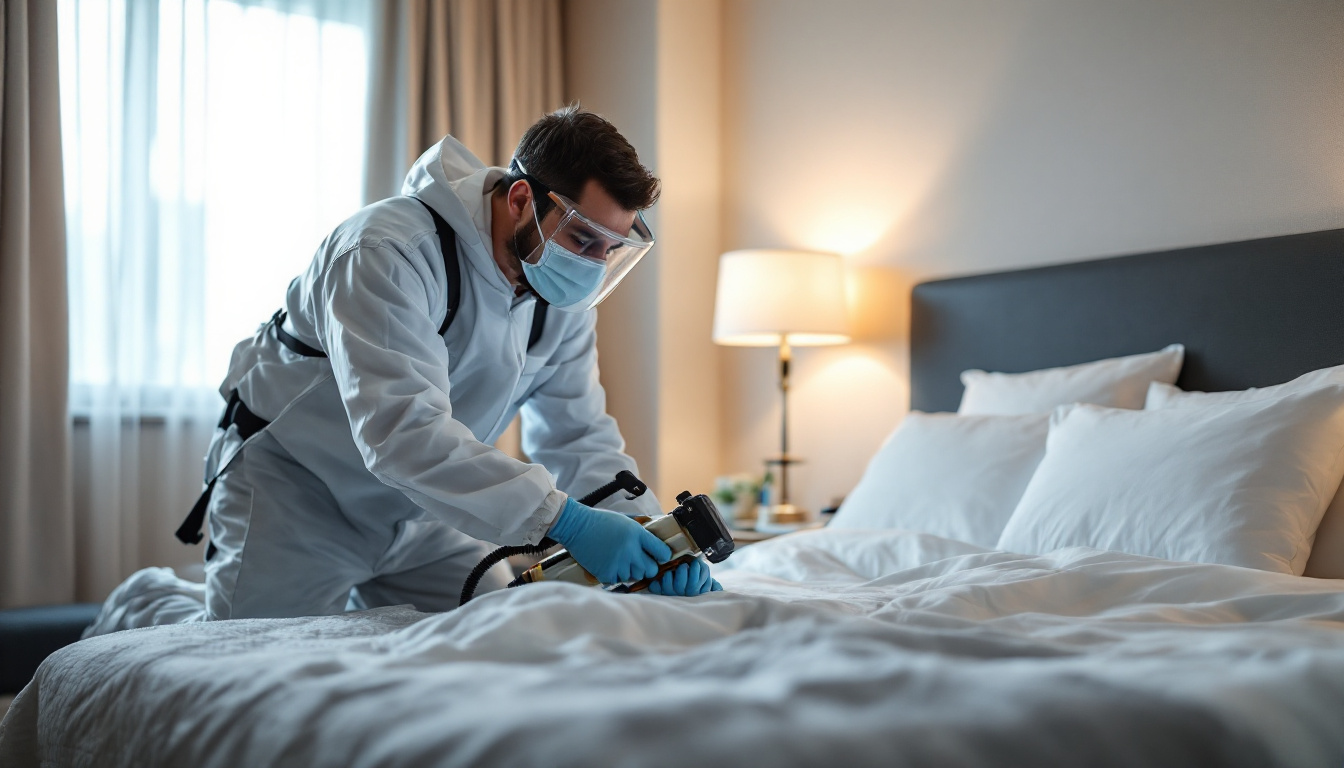
IPM also emphasizes the importance of education and training for hotel staff, enabling them to recognize early signs of a bed bug issue and take appropriate action. This proactive stance not only protects guests but also safeguards the hotel’s reputation. Additionally, the implementation of IPM can lead to cost savings in the long run, as it reduces the need for extensive chemical treatments and minimizes the risk of damage to property caused by pests. By fostering an environment of collaboration between pest control professionals and hotel management, IPM encourages a shared responsibility for maintaining a pest-free environment.
Importance of Regular Pest Inspections
Regular pest inspections are a cornerstone of effective pest management in the hospitality industry. These inspections help identify potential bed bug issues before they escalate into full-blown infestations. By scheduling routine checks, hotels can monitor for bugs and other pests, ensuring a swift response to any signs of trouble.
Furthermore, hotel bed bug inspections contribute to a culture of awareness among staff, who become more attuned to the signs of pest activity. This vigilance can significantly reduce the likelihood of a bed bug incident and enhance the overall guest experience. In addition to protecting guests, these inspections serve as a valuable marketing tool; hotels that demonstrate their commitment to pest management may attract more environmentally conscious travelers. Moreover, maintaining a pest-free environment leads to positive online reviews and repeat business, as guests are more likely to return to a hotel where they felt safe and comfortable. Establishing a routine inspection schedule not only fortifies the hotel's defenses against pests but also reinforces a commitment to quality and guest satisfaction.
Commercial Pest Control Solutions
Commercial pest control solutions are tailored to meet the unique needs of the hospitality sector. Given the high turnover of guests and the potential for pest introductions, hotels require specialized services that address these challenges effectively. This section outlines some of the most effective pest control solutions available for hotels.
Bed Bug Prevention Strategies for Hotels
To prevent bed bugs from establishing a foothold, preventing introductions is paramount. Implementing comprehensive prevention strategies can significantly reduce the risk of infestations. One effective strategy involves educating staff about the signs of bedbugs and how to respond when they are detected. Training sessions should cover identification techniques and the importance of reporting any findings immediately.
Additionally, hotels should invest in high-quality mattress and box spring encasements. These encasements not only protect against bed bug infestations but also make it easier to spot any potential issues on the mattress seams or bed frame. Regular laundering of bedding and thorough cleaning of every guest room can further enhance preventive measures.
Addressing Rodent Concerns Post-COVID-19
The COVID-19 pandemic shifted the focus of pest management in many industries, including hospitality. With changes in guest behavior and increased closures, rodent populations have surged in some areas. Hotels must address these concerns proactively to ensure a safe environment for every hotel guest.
Implementing rodent control measures, such as sealing entry points and maintaining clean, clutter-free environments, is essential. Regular inspections and monitoring can help detect rodent activity early, allowing for prompt action to mitigate any issues.
Insights on Bed Bugs
Bed bugs are a persistent challenge for the hospitality business. Understanding these pests, their behavior, and the financial implications of infestations is crucial for effective management. This section provides insights into identifying bed bugs and the financial impact they can have on hotels.

How to Identify Bed Bugs in Hotel Rooms
Identifying bed bugs early is key to preventing a widespread bug infestation. These pests are small, brownish insects that feed on human blood, typically at night. Signs of bed bugs in a hotel room include small reddish-brown spots on bedding, shed exoskeletons, and a sweet, musty odor.
Hotel staff should be trained to conduct thorough inspections of guest rooms, particularly in areas where bed bugs are likely to hide. This includes the seams of the mattress, the bed frame, behind headboards, and even on upholstered furniture. Paying close attention to the luggage rack is also vital, as this is a common transfer point. Early detection can save hotels significant costs associated with bed bug treatment and potential loss of reputation.
Financial Impact of Bed Bug Infestations
The financial implications of bed bug infestations can be staggering for hotels. Treatment costs can quickly escalate, especially if the infestation is widespread and requires professional bed bug removal services. Additionally, hotels may face losses due to negative reviews and damage to their reputation, which can deter future guests.
Moreover, legal liabilities may arise if guests suffer bed bug bites or allergic reactions. Investing in preventive measures and effective pest control services can mitigate these risks and protect the hotel’s bottom line.
Engaging Hotel Staff in Pest Management
Engaging hotel staff in pest management is essential for creating a culture of awareness and responsiveness. When staff members are actively involved in pest control efforts, the likelihood of successful prevention and early detection increases significantly. This section discusses strategies for training and engaging staff effectively.
Training Staff to Combat Bed Bug Issues
Training is a critical component of effective pest management in hotels. Staff should receive comprehensive training on bed bug identification, bed bug prevention strategies, and proper reporting procedures. Regular refresher courses help reinforce knowledge and keep staff updated on best practices.
Incorporating real-life scenarios and hands-on training can enhance staff engagement and retention of information. When staff members feel confident in their ability to identify and respond to a bed bug problem, they are more likely to take proactive measures.
Creating a Culture of Pest Awareness
Creating a culture of pest awareness within the hotel is vital for long-term success in pest management. This culture can be fostered through open communication, regular training sessions, and recognition of staff efforts in maintaining pest-free environments.
Encouraging staff to share their experiences regarding any bed bug sighting contributes to a more vigilant atmosphere. When every team member understands the importance of pest control, the entire hotel benefits from enhanced guest satisfaction and safety.
Seasonal Pest Trends
Understanding seasonal pest trends is crucial for effective pest management in the hospitality industry. Different pests may become more prevalent during specific times of the year, and hotels must be prepared to address these trends proactively. This section highlights predictions for the current pest season and focuses on bed bugs as a significant concern.
Pest Season Predictions
As the year unfolds, pest control experts predict an increase in pest activity, particularly in urban areas where hotels are concentrated. Warmer temperatures and increased travel are likely to contribute to higher rates of pest introductions, including bed bugs and rodents.
Hotels should prepare by implementing robust pest management strategies, including regular bed bug inspection routines and staff training. Staying ahead of seasonal trends can help mitigate the risk of an infested room and ensure a safe environment for guests.
Pest of the Quarter: Bed Bugs
Bed bugs have been identified as the pest of the quarter, reflecting their ongoing challenge for the industry. With the resurgence of travel, hotels must remain vigilant in their efforts to prevent and manage bed bug issues.
By focusing on education, prevention, and rapid response strategies, hotels can effectively combat the threat posed by bed bugs. This proactive approach not only protects guests from bed bug bites but also preserves the hotel’s reputation and financial stability.
Mistaken Pest Identity
Mistaken pest identity can lead to ineffective pest management strategies and unnecessary costs. Understanding common misidentifications in pest control is essential for ensuring a targeted approach to pest management. This section explores common misidentifications and provides case studies to illustrate the importance of accurate pest identification.
Common Misidentifications in Pest Control
In the world of pest control, misidentifying pests can result in inappropriate treatments and wasted resources. For example, some insects may be mistaken for bed bugs, leading to unnecessary treatments and heightened guest anxiety.
Common misidentifications include confusion between bed bugs and other small insects, such as carpet beetles or bat bugs. Accurate identification is crucial for implementing effective control measures and ensuring that the right pests are targeted.
Case Studies of Pest Misidentification
Case studies illustrate the consequences of pest misidentification in the hospitality industry. In one instance, a hotel mistakenly identified a carpet beetle infestation as a bedbug infestation, leading to costly treatments and a formal guest complaint. This misidentification not only strained the hotel’s budget but also damaged its reputation.
Another case involved a hotel that failed to recognize the signs of a rodent infestation, attributing the droppings to another pest. This oversight resulted in a significant rodent problem that required extensive remediation efforts. These case studies highlight the importance of accurate pest identification and the need for ongoing staff training.
In conclusion, understanding the nuances of bed bug infestations versus introductions is vital for effective pest control in the hospitality industry. By implementing integrated pest management strategies, engaging staff, and staying informed about seasonal trends, hotels can create a safe and welcoming environment for guests. Investing in proactive pest management not only protects the hotel’s reputation but also ensures a positive experience for all who enter its doors.
Protect Your Hospitality Business with EnviroGuard Pest Control
Don't let pest problems threaten the comfort and safety of your guest or the reputation of your hospitality business. A single infested furniture item or bed bug sighting can cause lasting damage. At EnviroGuard Pest Control, our local experts are ready to provide you with environmentally friendly and family-safe pest control solutions.
Whether it is a single bed bug introduction or a complex infestation where you find bed bugs packing into luggage, we have the solution. We recommend isolating affected items in a sealed plastic bag immediately and contacting us. As a professional bed bug exterminator, we specialize in a range of services, including termite and rodent control, tailored to keep your property pest-free all year round.
With over 40 years of combined experience, we service a wide service area to ensure your hotel maintains the highest standards. Experience the peace of mind that comes with our attentive customer service and eco-conscious practices. Contact Us today to safeguard your hotel against pests, avoid the nightmare of infested furniture, and ensure a positive experience for every guest.