

Top 5 Signs of a Successful Food Manufacturing IPM Program
2025 is a pivotal year for food manufacturing, especially in the realm of Integrated Pest Management (IPM). A successful IPM program is essential for ensuring food safety, compliance with tightening regulations, and maintaining a healthy food environment for production.
Whether you are managing a large food processing plant or a specialized boutique facility, the stakes are high. This article explores the top five essential indicators that distinguish a thriving food manufacturing IPM program from a failing one.
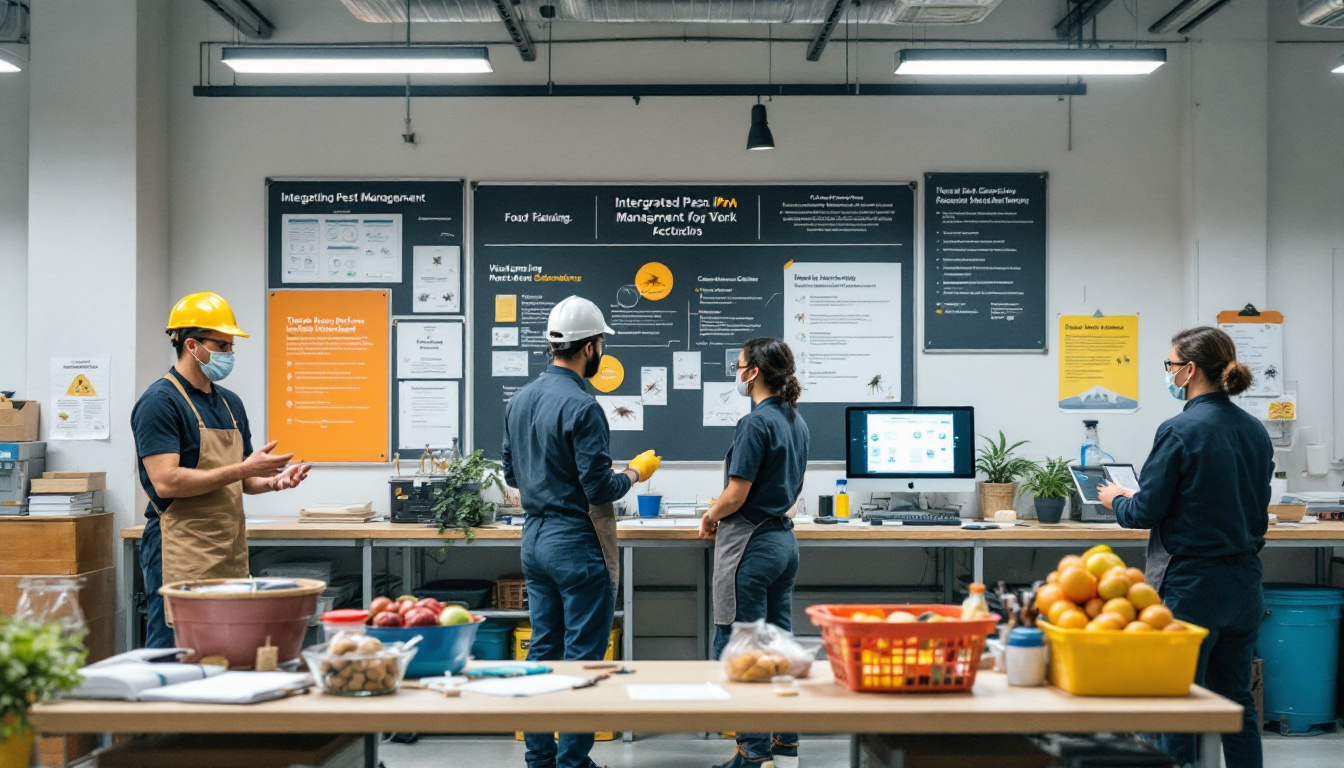
1. A Strong Partnership with a Pest Management Professional
Pest control services form the backbone of any effective strategy, but in the food industry, a transactional relationship isn't enough. You need a dedicated pest management professional.
A true partnership means your provider understands the unique nuances of a food facility. Unlike standard residential services, commercial pest control for food processors requires a deep understanding of audit standards and biology. Expert providers like Enviroguard possess specialized knowledge, allowing them to identify pest pressures quickly and implement effective pest control solutions that go beyond simple spraying.
This collaboration ensures that pest management practices remain effective over time. One of the key benefits is the ability to customize an IPM plan tailored to specific environments. Whether you are in beverage processing, frozen foods, or dry goods, a generic approach will fail. This customization ensures that the unique challenges of each location are addressed, leading to safer food production outcomes.
2. Adoption of Modern, Holistic Pest Control Solutions
Modern pest control solutions are multifaceted, strictly following the IPM principle of prioritizing risk reduction. A robust formalized IPM program integrates biological, cultural, physical, and chemical control methods—using chemicals only as a last resort.
This holistic approach targets existing issues and focuses heavily on proactive pest prevention. Techniques such as pest monitoring populations, implementing strict sanitation measures, and using a specific trap for specific pests are common elements of a comprehensive strategy.
For food safety managers, the shift towards environmentally friendly products is crucial. Consumers and auditors alike are conscious of ecological impacts. A successful food safety program utilizes natural predators or organic applications where possible, reducing the chemical load in the food plant.
3. Tailored Solutions for Diverse Food Environments
Different industries face distinct challenges. A food processing facility dealing with grain will fight stored product pests, while a meat plant might contend with flies or rodents.
Commercial services must be tailored to meet these unique needs. Tailored pest management solutions address specific challenges, utilizing targeted strategies that effectively mitigate risks associated with particular pests.
By utilizing Integrated Pest Management practices, facility managers can combine mechanical controls with data-driven insights. This ensures a comprehensive approach to pest control. It isn't just about killing bugs; it is about manipulating the facility environment so pests cannot survive.
4. Rigorous Compliance and Documentation
Compliance with local and federal regulations, particularly the Food Safety Modernization Act (FSMA), is a fundamental aspect of pest management in food manufacturing. Facilities must adhere to guidelines set by the FDA and EPA.
A successful IPM program meets these standards and exceeds them. Quality assurance teams know that the job isn't done until the paperwork is filed. Required IPM documentation is a critical component of success. Keeping detailed records of pest sightings, action thresholds, treatments applied, and monitoring results helps identify trends.
Best Practices for Documenting Pest Management Documentation is essential for passing audits. Best practices include:
maintaining a centralized pest log.
documenting every service visit.
regularly reviewing records to ensure pest prevention efforts are working.
Integrating digital tools for documentation can streamline the process for sanitation managers and quality assurance staff, making it easier to track changes over time. This transparency is vital when auditors arrive.
5. A Culture of Education and Sanitation
Educational resources play a vital role in enhancing the effectiveness of an IPM program. You cannot rely solely on your pest management professional; your internal team must be the first line of defense.
By providing staff with the necessary knowledge, organizations foster a proactive culture. Food safety managers should organize training sessions on pest identification. If a line worker can distinguish between a moth and a beetle, they can report it before it becomes an infestation.
Sanitation is perhaps the most critical internal factor. Identifying common pest hot spots often reveals that sanitation failures—like spilled ingredients—are the root cause. Ingredients that attract pests, such as sugars and grains, must be cleaned up immediately. Without strong sanitation protocols, even the best pest control services will struggle.
Unique Approaches to Pest Control
Innovative techniques set top-tier programs apart. For example, using pheromone traps to monitor pest activity without chemicals is a hallmark of a modern food facility. Additionally, utilizing IoT devices for real-time monitoring provides facility managers with data to make informed decisions.
Preventing Future Pest Issues
Preventing future pest issues is a proactive approach that saves food manufacturing facilities time and money. While some vendors offer early bird discounts for standard services, the real value lies in a provider that stops problems before they start. By implementing effective strategies, organizations can significantly reduce the likelihood of a food product recall due to contamination.
Conclusion
In conclusion, a successful food manufacturing IPM program is characterized by effective pest control, tailored commercial solutions, and a commitment to education and sanitation. By recognizing the signs of a strong IPM program, food processors can ensure compliance, enhance safety, and maintain a pest-free environment.
Protect Your Food Manufacturing Facility with EnviroGuard Pest Control
Ready to elevate your food manufacturing IPM program to the next level? At EnviroGuard, we bring decades of experience to deliver environmentally friendly and family-safe pest control solutions. Our local experts are committed to keeping your facility pest-free, ensuring compliance, and safeguarding your production environment. Experience the peace of mind that comes with our dedicated customer service and tailored pest management strategies. Contact Us today to partner with a team that values your safety and success as much as you do.