

Checklist: What to Do After Extreme Weather Events
As extreme weather becomes more frequent across the country, influenced by shifting weather patterns, it is crucial for businesses and facilities to have a comprehensive plan for recovery. The aftermath of a hurricane, flood, or even intense seasonal weather changes can leave properties vulnerable. This checklist outlines the essential steps to take after severe weather, ensuring operations can resume safely and smoothly while mitigating the inevitable pest pressures that follow. A primary concern that requires immediate attention is professional pest control.
Why Comprehensive Pest Control is Crucial After Severe Weather
In the aftermath of extreme weather, the risk of a pest infestation increases dramatically. Flooding from heavy rain, for instance, displaces countless insects and rodents, forcing them to seek shelter and new food sources inside buildings. Therefore, engaging a comprehensive pest control service is a vital first step to protect your facility.
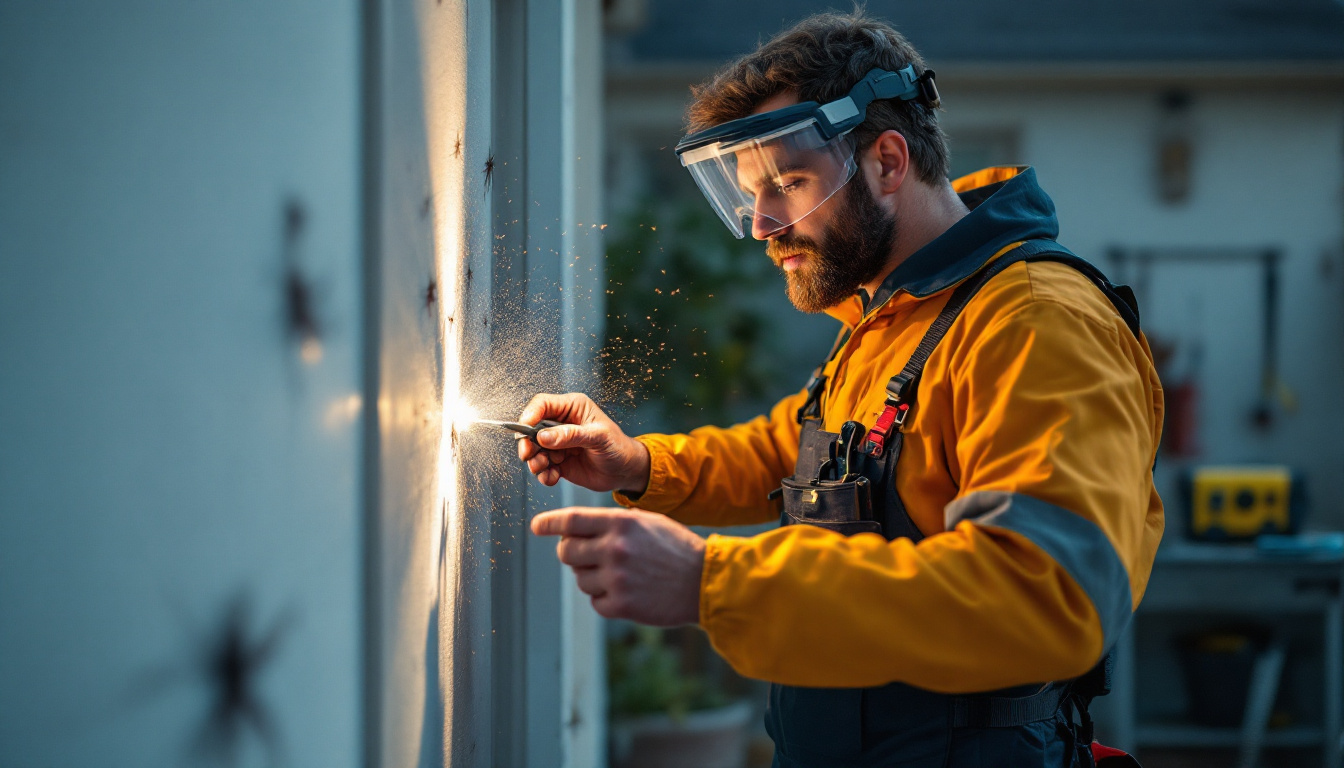
A proper pest control treatment plan should begin with a thorough inspection to assess the new landscape of pest pressures. This allows experts to apply targeted treatments and establish ongoing monitoring to ensure any pest issue is addressed promptly. This proactive approach to pest control not only helps maintain a safe environment but also safeguards your business from the costly damages and disruptions caused by a full-blown pest infestation. Regular maintenance and dedicated pest prevention are a wise investment for any commercial property.
Increased Rodent Risks from Weather Upheaval
Any significant weather event can disrupt the natural habitats of rodents. When their homes are flooded or destroyed, these unwanted pests will actively seek refuge indoors. This increases the likelihood of rodent infestations, which pose serious health risks and can carry diseases affecting both employees and customers.
Understanding this change in pest behavior is crucial for businesses. Implementing robust rodent control measures, such as sealing new entry points created by storm damage and maintaining strict cleanliness, can significantly reduce the risk. It is also essential to stay informed about local health guidelines. Educating employees on how to spot the first signs of pest activity, such as droppings or gnaw marks, further enhances your pest management strategy and creates a culture of vigilance.
Identifying Pest Control Hot Spots in Your Facility
After an extreme weather event, you must identify potential pest control hot spots. Areas prone to moisture, such as basements, crawl spaces, kitchens, and storage rooms, are particularly vulnerable to pests. High humidity levels create an attractive environment for many common pest types, including cockroaches and ants.
A thorough inspection of these areas helps pinpoint vulnerabilities. Look for evidence of pest activity, like nests, droppings, or structural damage. By addressing these hot spots proactively, businesses can prevent a small pest problem from escalating into a large infestation. Incorporating pest-resistant materials and improving drainage can significantly reduce the risk of future issues. Regular training for staff on pest identification and prevention techniques empowers them to contribute to a healthier, bug-free workplace.
Specialized Commercial Pest Solutions
For many businesses, specialized commercial pest control solutions are essential following extreme weather. These solutions are tailored to meet the specific needs and regulations of different industries. Businesses in the food industry, for example, must adhere to stringent health codes, making it critical to implement a pest treatment plan that not only eliminates pests but prevents their return. Similarly, warehouses must consider the types of products they store, as certain bugs can cause significant financial loss by damaging inventory.

Engaging with a provider like Enviroguard, which offers specialized services and understands modern pest control technology, helps businesses navigate these complexities. From ensuring food safety to maintaining compliance, these solutions provide peace of mind. A proactive strategy from pest control business leaders includes regular inspections and employee training, empowering staff to recognize the early signs of a roach infestation or other pest activity and take immediate action.
Essential Documentation for Effective Pest Control
Documentation plays a crucial role in effective pest management. After a severe weather event, businesses should maintain accurate records of all pest control activities, including inspections, treatments, and follow-up measures. This documentation helps track the pest population and ensures compliance with health regulations. Detailed records also serve as a valuable resource for identifying the long-term effectiveness of various control strategies, allowing for data-driven refinements. This commitment to detail is a hallmark of a professional pest management team.
Controlling Mosquito Populations After a Storm
Extreme weather events often leave behind standing water, creating ideal conditions for mosquito breeding. Proactive mosquito control is essential to protect employees and customers. Effective control involves a multi-faceted approach. Regularly inspect the property for standing water in clogged gutters, containers, or low-lying areas and eliminate these sources. In addition to source reduction, an integrated pest management plan may include the use of larvicides to control the pest population at its earliest stage.
The Role of Sanitation in Effective Pest Prevention
Sanitation is a cornerstone of any successful pest control strategy, especially after the chaos of a storm. A clean, organized environment is less attractive to pests and promotes overall health and safety. Businesses should prioritize regular cleaning, focusing on high-traffic areas and potential pest hot spots. Proper waste disposal and ensuring food storage areas are clean and secure can significantly reduce the attraction for pests like roaches and rodents. Implementing best practices for sanitation and storage is vital; all food should be in airtight containers, and storage areas need regular inspections for signs of any pest, preventing a potential cockroach infestation.
Preparing for Seasonal Pest Challenges in a Changing Climate
As seasons change, so do pest challenges. Businesses must prepare for these shifts by staying informed about the pests prevalent during different times of the year. Warm weather may bring an increase in insects, while cold weather and freezing temperatures may drive winter pests like rodents to seek shelter indoors. A common winter pest can quickly become a year-round problem if not addressed. Implementing seasonal pest management strategies and following expert pest control tips can help businesses stay ahead of a potential pest issue and keep pests indoors where they don't belong.
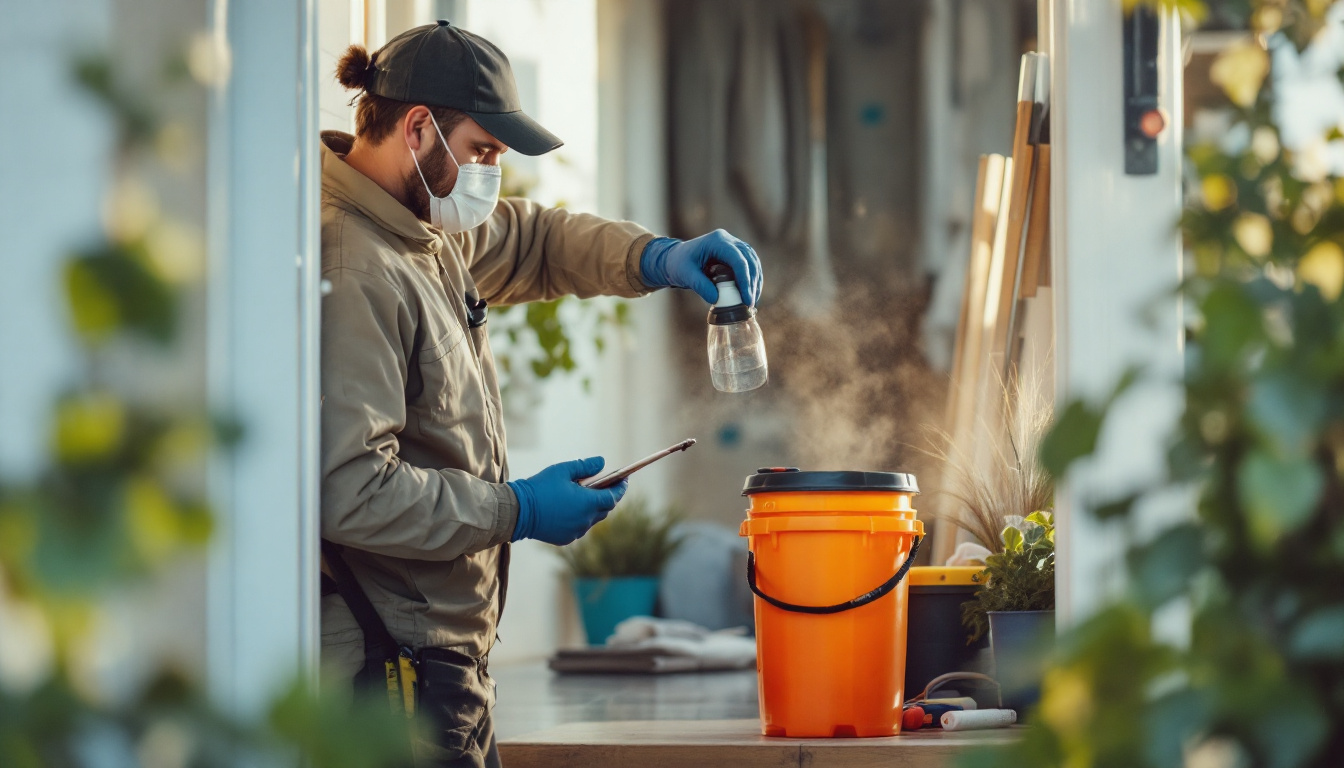
In conclusion, the aftermath of extreme weather events presents unique challenges, particularly concerning pest control. By following this checklist and implementing comprehensive strategies to control unwanted pests, businesses can protect their facilities, employees, and customers. Whether you require commercial pest control or residential pest control, a proactive approach ensures a safe and healthy environment.
Secure Your Property with EnviroGuard Pest Control
Don't let pests become a post-storm nightmare for your home or business. At Enviroguard, we understand the urgency of addressing pest-related issues after extreme weather events. Our local experts are ready to provide you with eco-friendly and family-safe pest control solutions that align with our mission to keep properties pest-free and families safe. With over 40 years of combined experience and a dedication to exceptional customer service, we're the trusted name in Austin for all your pest management needs. Contact Us today to learn how we can help you maintain a safe and healthy environment year-round.