
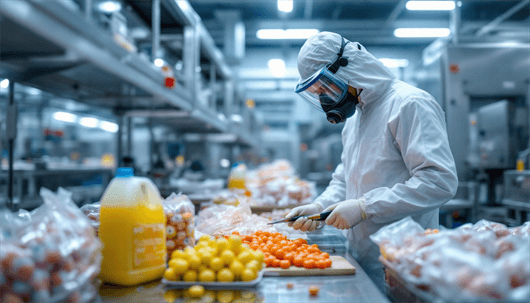
Checklist: Working the Bugs Out of the Food Processing Supply Chain
In 2025, the integrity of the food processing supply chain rests heavily on meticulous pest control. With consumer expectations and regulatory pressures for food safety at an all-time high, even a minor pest problem can cause significant disruptions, damage brand reputation, and lead to financial loss. For managers in the food industry, ensuring the entire supply chain is free from pests is not just a best practice—it's a business necessity.
This comprehensive guide serves as your checklist for establishing robust food processing pest control, eliminating pests, and preventing recurrence. We will explore how an integrated pest management program is fundamental to protecting your products, from initial supplier to final distributor, and ensuring unwavering food safety.
The Critical Role of Specialized Commercial Pest Control
Effective pest control within food processing facilities goes far beyond simply eliminating visible pests. It requires a specialized approach known as commercial pest control, tailored to the unique environments where food is handled, processed, and stored. Unlike residential services, a professional pest control service for the food industry understands the specific sanitation requirements, high-stakes risks, and complex logistics of food production.
Food processing plants are vulnerable to a wide variety of common pests, from rodents and cockroaches to stored product pests, each demanding distinct pest control methods. A specialized pest management strategy is crucial for developing targeted solutions that mitigate the risk of contamination and ensure the final food product is safe for consumption. Proactive monitoring and regular inspections are essential components of effective pest management, helping to detect early signs of pest activity before it can escalate into a full-blown pest infestation.
Building a Resilient Program with Integrated Pest Management (IPM)
The gold standard for modern food processing is Integrated Pest Management (IPM). At Enviroguard, we champion this sustainable and highly effective approach. Integrated Pest Management is a science-based decision-making process that uses a combination of strategies to control the pest population. This approach minimizes the use of chemicals, prioritizing prevention and long-term solutions to protect your facility and enhance food safety.
A successful Integrated Pest Management program includes several key layers:
Prevention: Modifying the environment to make it less attractive to pests. This includes sealing entry points, managing waste, and controlling moisture—all critical steps in any food processing plant.
Monitoring: Using tools like insect light traps and pheromone monitors to track pest activity and identify potential hotspots. This data is crucial for assessing pest pressure.
Control: When necessary, implementing targeted control measures. Integrated Pest Management prioritizes non-chemical solutions first, creating a balanced ecosystem that discourages pests while promoting sustainability.
By adopting Integrated Pest Management, food processing plants can not only protect the integrity of their products but also align with the growing consumer demand for environmentally responsible practices in food production. This commitment to food safety is a cornerstone of a trustworthy brand.
Fortifying Your Entire Supply Chain Against Pests
A pest issue can compromise your product at any point in the supply chain. A truly comprehensive plan extends beyond the walls of your food processing facility. It involves collaboration and communication from beginning to end to ensure a secure food supply.
Collaborate with Your Suppliers for Pest Solutions
Effective pest management begins with your suppliers. They are the first link in your supply chain, and their practices directly impact your operation. Work closely with them to understand their pest management practices and ensure they meet your standards. Proactive engagement helps adapt to evolving pest challenges and strengthens the entire food supply chain.
Inspect Your Shipments for Pest Prevention
Every delivery presents a potential risk. Your facility must have strict protocols for inspecting all incoming materials for signs of pest activity. This includes looking for damaged packaging, droppings, or evidence of stored product pests. Diligent pest prevention at the loading dock is one of the most effective ways to stop an infestation before it starts. Training staff to identify these subtle signs is a key component of your food safety program.
Communicate with Distributors on Pest Issues
Open communication with your distributors is the final piece of a secure supply chain. They must be informed of your pest control guidelines and any potential risks. This collaborative approach creates a unified front against pest infestations, ensuring that everyone involved is vigilant. Sharing data on pest trends can lead to industry-wide improvements in pest management.
Meeting and Exceeding Regulatory Standards
Compliance is non-negotiable in the food manufacturing and processing sectors. Regulations like the Food Safety Modernization Act (FSMA) have placed a greater emphasis on preventive controls, making robust pest management more important than ever. The FSMA requires food processing facilities to maintain a written food safety plan, and meticulous pest control documentation is a massive part of that.
Partnering with a professional pest control provider like Enviroguard ensures your program not only meets but exceeds current food safety regulations. Our experts are familiar with audit requirements from organizations like the National Pest Management Association and can help you avoid common documentation pitfalls. Keeping detailed records of all pest sightings, treatments, and preventive pest control measures is crucial for demonstrating compliance and continuous improvement.
Proactive Strategies for a Pest-Free Facility
Eliminating an existing pest problem is only half the battle. Preventing recurrence requires a proactive, ongoing commitment to effective pest control.
Identifying Critical Pest Control Areas
Every food facility has high-risk zones where the pest pressure is highest. These often include storage rooms, processing lines, employee break areas, and loading docks where a food source is readily available. Identifying these critical areas allows for targeted inspections and monitoring, significantly reducing the risk of a widespread pest infestation.
Documenting and Training
Thorough documentation is your best defense during an audit. Implement a clear process for recording all pest activity and the responsive actions taken. Furthermore, ongoing staff training fosters a culture of vigilance. When every employee understands the importance of cleanliness and knows how to report a pest presence, your entire operation becomes safer. These are some of the most effective pest management tips for any food processing plant.
Understanding Common Attractants
Many common ingredients in food production, such as grains, sugars, and proteins, are powerful attractants for pests. Proper storage of these materials in pest-proof containers and managing spills immediately are simple yet vital pest prevention steps. Awareness of what attracts common pests, including the stored product pest, to food processing plants is fundamental to keeping them out.
Secure Your Food Processing Supply Chain with Enviroguard
Don't let pests compromise the food safety and integrity of your food processing operations. At Enviroguard, we bring over 40 years of combined experience to provide you with environmentally friendly and family-safe pest control solutions grounded in the principles of Integrated Pest Management. Our local experts are committed to protecting your business, ensuring your food processing facility remains pest-free and compliant with all food safety regulations.
Contact Us today to learn how our expert pest management can help safeguard your supply chain from pest-related disruptions.