
How to Help Prevent Pests from Invading Your Healthcare Facility
In 2025, the imperative for healthcare facilities to prioritize pest prevention is stronger than ever. A pest-free environment is fundamental to ensuring the safety, comfort, and well-being of both patients and staff. With health and hygiene standards under constant scrutiny, implementing a robust and effective strategy for pest control is not just a regulatory requirement but a cornerstone of quality patient care. This article provides a comprehensive guide to the essential strategies and best practices for keeping pests out of your healthcare environment.
A single pest problem can compromise a sterile environment, disrupt operations, and damage a facility's reputation. From the transmission of pathogens to the risk of a secondary infection, the stakes are incredibly high. Therefore, a proactive approach to pest management is critical for any modern health care facility.
The Critical Role of Professional Pest Control Services
Maintaining a pest-free healthcare facility requires specialized knowledge and tools. Professional pest control services offer tailored solutions that address the unique challenges of medical environments, protecting vulnerable patients and ensuring regulatory compliance.
Why Generic Solutions Fall Short in a Healthcare Setting
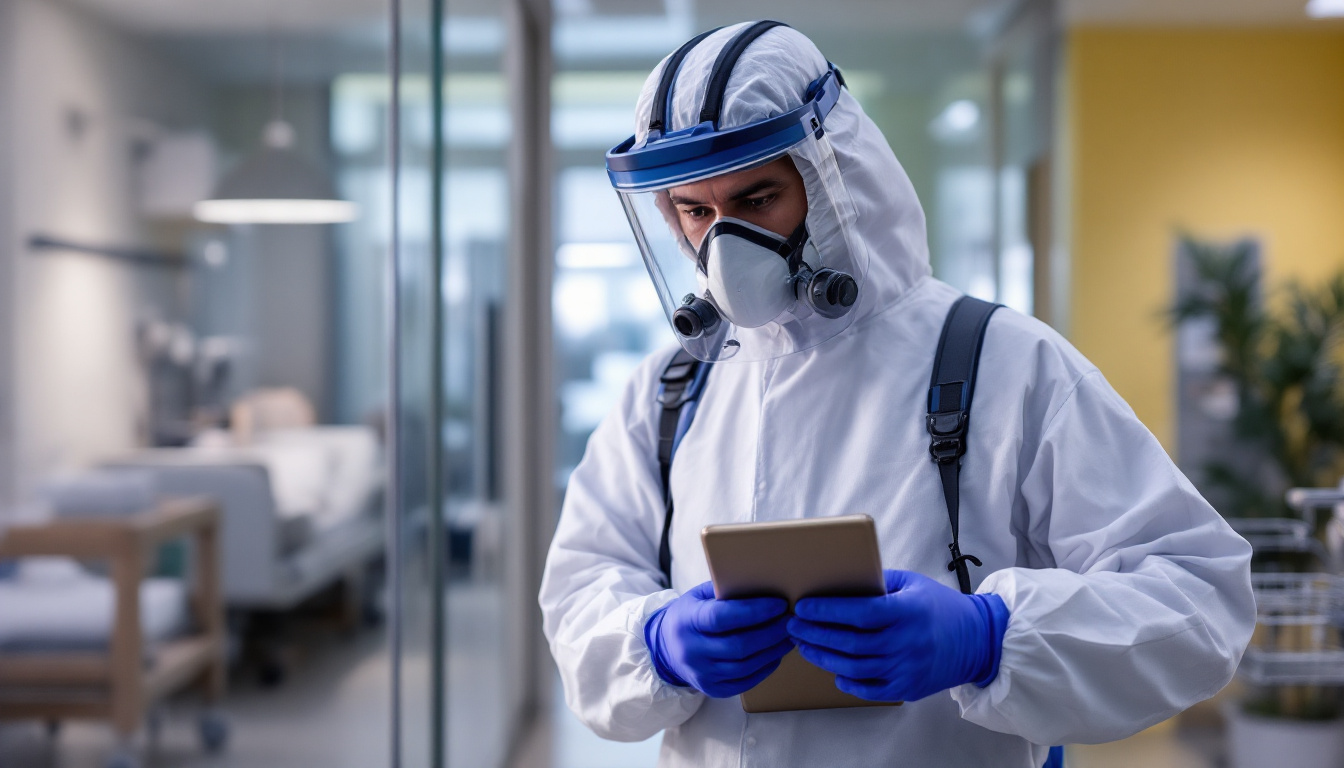
A healthcare setting is unlike any other commercial space. The constant flow of people, presence of food sources, and stringent requirements for patient safety demand a sophisticated approach. An expert commercial pest control service from a provider like Enviroguard understands these complexities. We develop customized plans that go beyond simple extermination, focusing on long-term prevention and sustainable methods. Our healthcare pest control services are designed to be both highly effective and discreet, minimizing any disruption to your critical operations.
An integrated approach is key. This often involves a meticulous site assessment to identify vulnerabilities specific to your medical facility. This allows for the development of targeted pest control solutions that effectively manage populations of common pests while adhering to the strictest safety protocols. This commitment to effective pest control not only resolves any current pest issue but also establishes a defensive barrier against future threats.
Integrated Pest Management (IPM): The Gold Standard for Healthcare
Integrated Pest Management (IPM) is a holistic and sustainable strategy recognized by organizations like the National Pest Management Association as the most effective approach for sensitive environments. An IPM program moves beyond the reactive use of pesticides, focusing instead on the underlying factors that allow pests to thrive.

Core Components of an IPM Program
A successful Integrated Pest Management plan for healthcare facilities includes several key components working in unison:
Exclusion and Landscaping: The first line of defense is to deny pests entry. This involves sealing cracks, gaps around pipes, and other potential entry points. Landscaping should also be managed to deter pests; this includes keeping shrubbery trimmed away from the building and ensuring proper drainage to prevent standing water, which is crucial for mosquito control.
Sanitation and Housekeeping: Rigorous sanitation is non-negotiable. Pests like cockroaches and rodents are drawn to available food and water. Proper waste management, secure food storage, and meticulous cleaning schedules eliminate the resources pests need to survive and multiply, preventing a full-blown pest infestation.
Monitoring and Inspection: Continuous monitoring is essential for early detection. This involves conducting regular inspections to look for signs of pest activity, such as droppings or structural damage. Early identification allows for swift, targeted intervention before a small problem becomes a widespread infestation. This proactive monitoring is a cornerstone of any successful program to control pests.
Managing Common Pests in a Healthcare Environment
While a comprehensive strategy aims to prevent all pests, it’s crucial to have specific plans for those that most commonly invade healthcare settings. Pests like flies, rodents, and bed bugs pose significant health risks and require targeted control tactics.
Rodent and Insect Control
A single rodent can contaminate sterile supplies, spread disease, and cause significant structural damage. An effective rodent control program combines trapping, baiting, and exclusion to eliminate populations and prevent re-entry. Likewise, a targeted insect control plan is vital for managing disease-carrying pests like flies and cockroaches. These pests can transport pathogens from unsanitary areas to patient rooms and surgical suites, making their control a top priority.
The Challenge of Bed Bugs
A bed bug infestation is one of the most challenging issues a healthcare facility can face. Early detection is paramount. Staff should be trained to recognize the signs of bed bugs to prevent their spread. Debunking myths and providing clear education helps ensure that responses are swift and effective, minimizing the impact on patient care and preventing panic. Creating a detailed response plan is key to managing a potential outbreak and protecting the well-being of everyone in the facility.
Developing a Sustainable and Compliant Pest Management Strategy
Creating a sustainable pest management strategy is essential for achieving a long-term, pest-free environment. This strategy must be built on a thorough assessment of the facility’s unique vulnerabilities and operational needs, ensuring it aligns with standards set by bodies like the Joint Commission.

Your plan should be a living document, adaptable to changing conditions and informed by ongoing assessments. This proactive stance on pest prevention helps maintain compliance and demonstrates a deep commitment to safety. For many in the healthcare industry, partnering with a professional pest control expert is the most effective way to develop and implement such a robust strategy. This partnership ensures that your facility not only meets but exceeds the required standards for healthcare pest control. While some may consider options like residential pest control, the specialized needs of the healthcare sector demand a dedicated commercial pest control approach.
Protect Your Healthcare Facility with Enviroguard Pest Control
Don't let pests compromise the safety and comfort of your healthcare environment. At EnviroGuard Pest Control, we bring over 40 years of combined experience to ensure your facility remains pest-free with our environmentally friendly solutions. Our local experts in Austin, Texas, are dedicated to providing the best in pest management, using family-friendly products that safeguard your patients and staff. Experience the difference with our attentive customer service and sustainable practices. Ready to fortify your healthcare facility against pests? Contact Us today and let us help you maintain a pristine and welcoming space for all.