
How Well Do You Know Stored Product Pests?
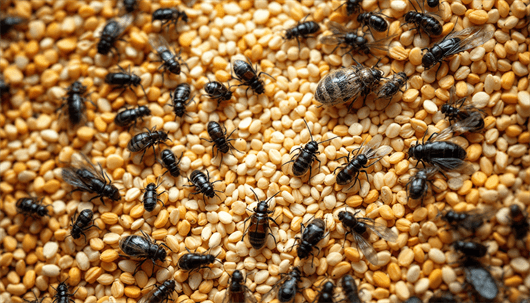
The year 2025 has highlighted the persistent challenge of stored product pests. These invaders can severely compromise food safety and quality, leading to significant economic loss and potential health risks. An infestation can turn valuable dry goods into an unusable mess, making a deep understanding of these pests and effective pest management strategies essential for everyone. This guide explores the most common types of stored product pests, the signs of an infestation, and the professional solutions available to protect your home and pantry.
Understanding the Common Enemy: Types of Stored Product Pests
The first step in effective pest control is identification. Different pests require different strategies. Many homeowners first notice a problem when they find a tiny beetle or moth in their flour or cereal. These are often part of a larger, hidden infestation. These insect pests are broadly categorized into beetles and moths, each containing several common species that can plague pantries.

Stored Product Beetles: The Silent Destroyers
Stored product beetles are one of the most common types of pantry pests. Often, the real damage is done by their larvae, which feed voraciously on stored food.
One of the most notorious is the flour beetle. This group includes the confused flour beetle and the red flour beetle (Tribolium castaneum), which attack grain products. You might find them in flour, cereals, and pasta. Similarly, the sawtoothed grain beetle and the merchant grain beetle are slender, flat insects that can easily access improperly sealed packaging. The drugstore beetle and the cigarette beetle have a broader palate, infesting everything from spices and pet food to tobacco.
More destructive species include the warehouse beetle and the dreaded khapra beetle, which can cause widespread damage to stored grain and seeds. Spotting even a single grain beetle should prompt a thorough inspection, as an infestation of any beetle species can quickly get out of hand, contaminating every food item in your pantry. The tiny larvae are often hard to see, but their presence leads to an infested product that must be discarded.
Pantry Moths: The Web-Weaving Raiders
Another major group of storage pests is moths. The most frequent culprit is the Indian meal moth (Plodia interpunctella). The adult moth is not the primary issue; it’s their larvae that cause the damage. These tiny caterpillars feed on a variety of stored food product sources, including grains, nuts, dried fruits, and even bird seed.
You can often identify an Indian meal moth infestation by the silken webbing the larvae produce over the surface of the infested food. The Angoumois grain moth is another common moth that targets whole grains. The lifecycle of a moth can be rapid, leading to a quickly escalating infestation if not addressed. Discovering webbing or larvae in your food is a clear sign that professional intervention is needed to eliminate the insect population. The presence of a single Indianmeal moth can signal a larger problem lurking in your cupboards.
The Importance of Professional Pest Control Services
Professional pest control services are vital for safeguarding any food product from the threats posed by stored product pests. These experts utilize a range of techniques to manage and eliminate a stored product pest infestation. Their role extends beyond simple removal; it includes protecting public health and maintaining hygiene. Since any pest can contaminate food supplies, effective management is essential for safety.
Engaging professionals offers numerous benefits. They possess the knowledge to identify the specific insect species, from a confused flour beetle to a saw toothed grain beetle, and understand their behaviors. This is crucial for implementing targeted control measures. They employ integrated pest management (IPM) strategies, focusing on long-term prevention to keep your home free from any pest. This saves you time and money by preventing the costly repercussions of a full-blown infestation, such as having to discard large amounts of stored food.
Why Choose Enviroguard for Stored Product Pest Control?
When it comes to protecting your home, understanding the expertise of your service provider is key. Enviroguard distinguishes itself through a steadfast commitment to quality service and innovative solutions for every type of stored product.
Unmatched Expertise and Experience
Enviroguard's team of trained professionals brings extensive expertise to the table. With years of experience dealing with various stored product insects, they are equipped to handle the most challenging infestation. Our thorough inspection process allows for customized plans that address the unique challenges of your home. While our expertise in eliminating stored product pests like the drugstore beetle is unmatched, we offer comprehensive services for all household nuisances, from carpet beetles to mosquito control. Our extensive pest library helps us identify and craft the perfect solution for any insect problem.
Commitment to Environmentally Friendly Solutions
Enviroguard is committed to environmentally friendly practices, including the use of integrated pest management techniques that prioritize sustainability. This approach reduces reliance on harsh chemicals and focuses on long-term prevention. By educating clients on best practices for handling items like stored grain and providing ongoing support, we help you maintain a pest-free environment while being mindful of our ecological footprint. You can feel confident you are making a responsible choice.
Preventing Future Pest Problems
Preventing a future stored product pest problem is the ultimate goal. By understanding the factors that attract a pest and implementing proactive measures, you can significantly reduce the risk of another infestation.
Identifying Common Pest Attractants
Many pantry pests are drawn to specific conditions. Common attractants include food spills and improperly stored products. Ensure all dry goods and other food items are sealed in airtight containers. This simple step can prevent a flour beetle or grain beetle from accessing a potential food source. Regularly cleaning shelves and addressing structural issues, such as gaps where pipes enter walls, can eliminate entry points and hiding places for a pest.
Top Tips for Maintaining a Pest-Free Home
Maintaining compliance with best practices is crucial for keeping your home pest-free. This includes inspecting all new grocery items before storing them, as an infested material can introduce a new infestation. Regularly rotate your stock, using older items first. If you discover an issue, immediately discard the infested material in a sealed bag in an outside trash can. A secondary pest, such as a scavenger beetle, can be attracted to the leavings of the primary infestation, making cleanup critical.
In conclusion, understanding the specific stored product insect threatening your pantry is essential for maintaining food safety. By recognizing the signs of an infestation from a pest like the Indian meal moth, leveraging professional services, and implementing preventative strategies, you can protect your stored product and family.
Protect Your Property with EnviroGuard Pest Control
Don't let stored product pests threaten your food safety and home. At EnviroGuard Pest Control, we combine over 40 years of expertise with a passion for eco-friendly solutions to offer you the most effective and responsible pest management services. Our local experts are committed to keeping your residential or commercial properties pest-free, using family-friendly products that safeguard your health and the environment. Experience the difference with our dedicated customer service and tailored strategies. Ready to fortify your property against pests? Contact Us today and let us help you maintain a safe, pest-free environment all year round.