Just What the Doctor Ordered: How to Identify and Handle Bed Bugs
The year 2025 has brought a renewed focus on the persistent issue of bed bugs. The mere thought of these pests is enough to cause distress, as they invade the very spaces where we seek rest and comfort. An increase in travel and global commerce means that no environment, from private homes to healthcare facilities, is entirely immune. Understanding the signs of these bugs and knowing how to act is the first step toward effective management. This guide provides essential information on identifying and handling a bed bug problem, outlining the importance of professional pest control in keeping our environments safe and sanitary.
Identifying the Unwanted Guest: What is a Bed Bug?
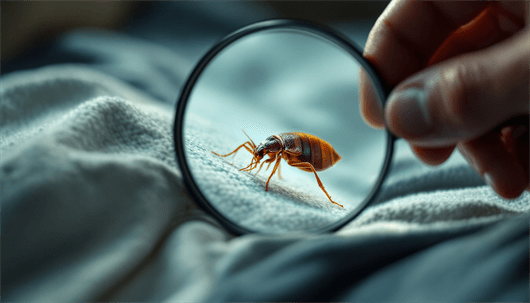
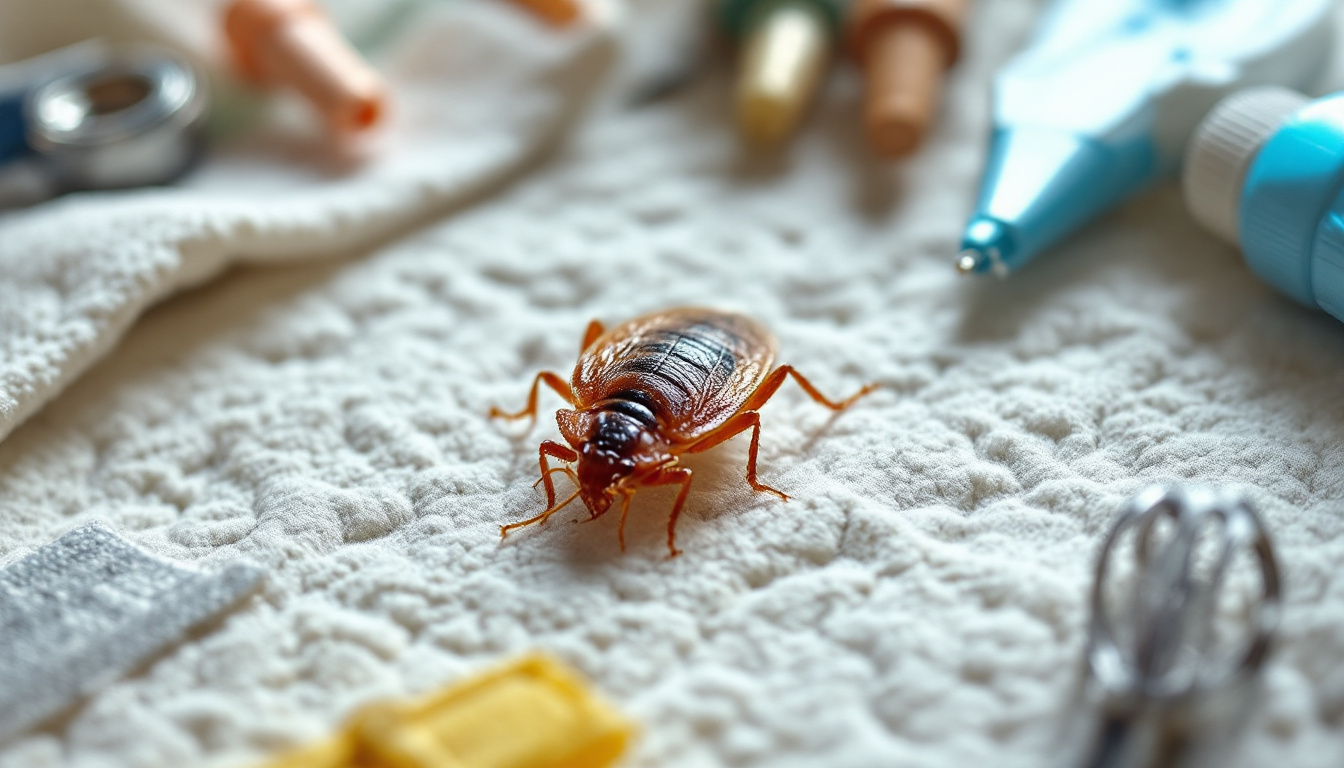
Before you can tackle an infestation, you need to know what you're looking for. The common bed bug, or Cimex lectularius (C. lectularius), is a small, nocturnal pest. These small insects are reddish-brown, oval-shaped, and flat, which allows them to hide in incredibly tight spaces. An adult bed bug is typically about the size of an apple seed. It's important to distinguish them from similar pests, like bat bugs, which may require a different treatment approach. A key part of the bug life cycle is the bed bug egg, which is tiny, pearly white, and extremely difficult to spot on its own, often being tucked away in a hidden crevice.

Signs of a Bed Bug Infestation
Early detection is critical to preventing a widespread bed bug infestation. These pests are experts at hiding, so you must be diligent in your search. Look for them in the mattress seam, the box spring, and the bed frame. However, don't stop there; inspect all furniture, especially upholstered furniture and nearby furniture. They can even hide behind picture frames, in electrical outlets, and under loose wallpaper.
Key evidence of an infestation includes:
Live Bugs: Spotting an adult bedbug is the most definitive sign.
Fecal Spots: These look like small, dark, inky spots on fabric. You'll often find them on the mattress, bed sheets, and bed linen.
Shed Skins: As young bugs grow, they shed their skin. Finding this translucent bed bug skin is a clear indicator of their presence.
A Musty Odor: A strong, unpleasant, musty-sweet odor can signal a large bedbug infestation.
Understanding the Impact: All About Bed Bug Bites
For many, the first sign of a problem is waking up with mysterious bite marks. A bedbug bite can be distressing, and while the bugs themselves aren't known to transmit diseases, their bite can cause significant irritation. Bed bug bites often appear in small clusters or a line on skin that was exposed during sleep.
It can sometimes be difficult to distinguish a bed bug bite from a mosquito bite. However, bedbug bites are more likely to cause an itchy welt. For some individuals, an allergic reaction can occur, leading to more significant swelling and discomfort. Seeing these bug bites is a clear call to action to inspect your home immediately.
The Critical Role of Professional Pest Control
When faced with bed bugs, DIY solutions are rarely enough. Their resilience and ability to hide make them incredibly difficult to eliminate completely. This is where a professional pest control company becomes essential. True bed bug control requires a comprehensive strategy that goes beyond simple sprays.
At Enviroguard, we utilize a form of integrated pest management (IPM), a sustainable and effective approach that focuses on the long-term prevention and elimination of pests. This holistic method combines thorough inspections, targeted treatments, and preventive measures to address the root of the pest problem. It considers the bug life cycle and environmental factors to create a tailored and lasting solution.
Specialized Pest Management for Sensitive Environments
Certain locations require a heightened level of care. Pest control in healthcare settings, for example, demands an expert touch. The presence of bed bugs in hospitals and clinics is a serious issue that can impact patient health and comfort. Similarly, bed bugs in long term care facilities pose a significant threat to vulnerable residents.
Enviroguard understands these unique challenges. Our strategies for commercial pest prevention are designed to be both effective and discreet. We follow rigorous standards to ensure safety and compliance, referencing resources like the Joint Commission Pest Control Checklist. By staying informed with resources like the Insights on 2023 Pest Season Predictions and adapting to current trends, we provide proactive pest management that protects your patients, residents, and reputation. While cockroach control in hospital environments presents its own challenges, the approach to handling any pest in these areas must be meticulous and preventative.
Bed Bug Facts vs. Myths
Misinformation can seriously hinder effective bed bug control. It's crucial to separate bed bug facts from fiction.
Myth: Bed bugs are a sign of a dirty home.
Fact: Cleanliness has little to do with it. Bed bugs are hitchhikers and can be found in the most pristine environments. They are attracted to warmth, blood, and carbon dioxide, not dirt.
Myth: You can't see a bedbug.
Fact: While small, an adult bed bug is visible to the naked eye. Their eggs and nymphs are much harder to see.
Myth: Bed bugs only live in the mattress.
Fact: As mentioned, they can live in any crevice or piece of furniture. Being cautious with secondhand furniture is one way to prevent bringing them home.
Knowing these bug facts empowers you to take the right steps in prevention and management.
In conclusion, understanding how to identify and handle bed bugs is crucial for maintaining a safe and healthy environment. By employing comprehensive pest control services, utilizing integrated pest management strategies, and staying informed about pest challenges, facilities can effectively manage bed bugs and other pests. Regular inspections, staff training, and adherence to best practices will ensure that pest control efforts are both effective and sustainable.

Protect Your Environment with EnviroGuard Pest Control
Don't let bed bugs or any other pests compromise the safety and comfort of your space. At EnviroGuard Pest Control, we bring over 40 years of combined experience to ensure your residential or commercial property is thoroughly protected. Our local experts are committed to delivering environmentally friendly pest control solutions that are safe for your family and effective against pests. Experience the difference with our attentive customer service and eco-conscious practices. Ready to safeguard your property with the best in Austin? Contact Us today and join the EnviroGuard family in our mission for a pest-free environment.