
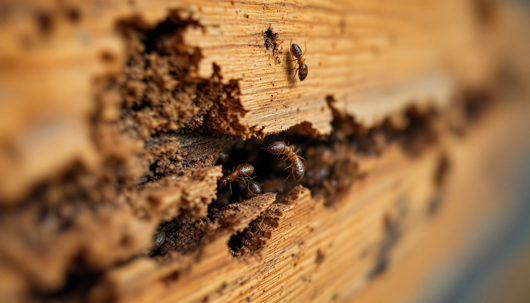
The Importance of Equipment Sanitation at Your Food Processing Facility
For any food processing operation, the focus on sanitation and pest control has never been more critical. The importance of maintaining a clean environment in these facilities cannot be overstated. Equipment sanitation is not just essential for compliance with health regulations and food safety regulations like the Food Safety Modernization Act (FSMA), but it also plays the most significant role in ensuring product quality and, most importantly, food safety. A single pest issue can compromise an entire batch of food product, leading to significant losses and a damaged reputation.
The Role of Pest Control Services
Effective pest control services are a cornerstone of a sanitary food processing environment. These services go beyond just spraying; they are comprehensive strategies aimed at pest prevention and managing any existing pest problem. By employing professional pest control services from a dedicated pest control company like Enviroguard, facilities can protect their products from common pests and maintain a safe working environment. The importance of these services is immense, as a minor pest infestation can lead to financial losses and regulatory action. Investing in a comprehensive pest management program is a critical business strategy.
Overview of Pest Control Approaches
Pest control methods vary depending on the specific needs of a food processing plant. A modern, effective pest control strategy often uses a blend of techniques to minimize risks. This may include biological controls, habitat manipulation, and the judicious use of chemical pesticides. The goal is to create a comprehensive food safety plan that addresses all pest pressures while minimizing harm. This approach, sometimes part of Integrated Pest Management (IPM), emphasizes understanding pest life cycles to implement targeted, sustainable interventions.
Regular monitoring and inspections are crucial. Facilities must be proactive in identifying potential pest threats before they escalate. This involves more than just visual checks; it can mean specialized rodent control traps, insect control monitors, and bird control deterrents. Advanced technology, like sensor-equipped traps, can alert staff to a pest in real-time. By leveraging such innovations, a food facility can enhance its pest control efforts and ensure a robust defense against unwanted pests.
Benefits of Regular Pest Inspections
Regular inspections offer numerous benefits. The most significant is the early detection of issues like cockroach or stored product pests (like the cigarette beetle). By identifying pests before they establish a large infestation, facilities can take swift action, reducing the risk of contamination and preventing food borne illnesses. This not only protects the integrity of the food but also safeguards consumer health, reinforcing the facility's commitment to food safety.
Moreover, routine inspections help ensure compliance with all health and food safety regulations. Facilities that prioritize pest control are more likely to pass audits. This builds consumer trust and brand reputation. Regular inspections also lead to long-term cost savings. By preventing infestations, facilities avoid high costs associated with product recalls, shutdowns, and potential legal liabilities. A well-maintained pest control program also enhances employee morale in a clean, safe environment.
Tailored Commercial Pest Control for the Food Industry
Commercial pest control services are specifically tailored for the unique challenges of the food processing industry. These services must address the complexities of managing pests in environments where food is produced, processed, and stored. Food processors need a partner who understands their specific pest control needs.
Professional pest control solutions from Enviroguard include customized treatment plans that account for the facility's layout and operations. Our experts assess the premises to identify potential entry points and breeding grounds, allowing for targeted interventions. This proactive approach not only addresses current pest sightings but also helps prevent future issues, safeguarding your reputation and commitment to food safety.
Effective Pest Management in Warehousing
Warehousing is a critical component of food production, and effective pest management in these areas is essential. Pests can thrive in storage facilities. Implementing robust pest management strategies in warehousing significantly reduces the risk of contamination. A combination of sanitation, regular inspections, and a professional pest control service creates a comprehensive plan. This ensures stored products remain safe, which is vital for supply chain integrity. Training staff on pest awareness further enhances these strategies, fostering a culture of vigilance.
The Enviroguard Approach to Food Processing Pest Control
The Enviroguard difference lies in our commitment to providing world-class food processing pest control solutions tailored to the unique needs of food manufacturing. With over 40 years of combined experience, we understand the industry's challenges and stand as a leader in pest management.

Unique Features of Our Expert Pest Control
Our expert pest control services include advanced monitoring technology and customized treatment plans. These features allow for real-time tracking and enable our professionals to respond quickly to any emerging threats. Enviroguard's trained technicians are equipped with the knowledge to address the specific pest challenges faced by any food processing operation. Furthermore, our emphasis on education ensures facility staff are well-informed about pest prevention strategies.
Our Commitment to Sustainable Practices
In an era where sustainability is critical, Enviroguard's commitment to environmentally friendly pest control practices sets us apart. We employ techniques that prioritize non-chemical solutions and minimize pesticide use whenever possible. This commitment to sustainability aligns with the values of consumers concerned about their food sources. By choosing a pest control service that prioritizes sustainability, food processing facilities can enhance their reputation.
Resources for a Pest-Free Facility
To support food processing operations in their efforts to maintain sanitation and effective pest control, a variety of resources are available. These can provide valuable tools to enhance pest management strategies.
Quick Guide to Audit Preparation
Preparing for audits is a critical aspect of compliance in food processing. A quick guide can help facilities stay organized. This guide includes checklists, documentation requirements, and best practices for maintaining cleanliness and robust pest control measures, all key components of your food safety plan.
Checklist for the Food Processing Supply Chain
A comprehensive checklist for the food processing supply chain helps identify vulnerabilities. This may include supplier audits, transportation protocols, and storage guidelines to ensure products remain safe from pests throughout the supply chain. Regularly reviewing this checklist helps maintain food safety.
Documenting Pest Management Activities
Documenting pest management activities is essential for compliance and tracking effectiveness. Facilities should systematically record all pest sightings, treatment actions, and follow-up inspections. Thorough documentation demonstrates a commitment to food safety and pest control during audits.
Identifying Ingredients That Attract Pests
Understanding which ingredients attract pests is crucial. Certain foods, like grains and sugars, are particularly enticing to insects and rodents. By identifying these, facilities can implement targeted strategies, such as using airtight containers and maintaining cleanliness, to reduce the risk of a pest infestation.
Recognizing Pest Control Hot Spots
Recognizing pest control 'hot spots' is essential. Areas like loading docks, storage rooms, and food preparation zones are often more susceptible to pests. By focusing on these high-risk areas, facilities can implement targeted pest control measures to mitigate risks and protect the food processing environment.
Strategies for Preventing Documentation Errors
Preventing documentation errors is vital for accurate records. Facilities should establish clear protocols for documenting pest activity, treatments, and inspections. Digital tools can streamline this process and reduce human error, strengthening the overall pest management program.
In conclusion, the importance of equipment sanitation and pest control in food processing operations cannot be overstated. By implementing a robust pest management strategy, utilizing professional pest control services, and prioritizing sustainability, facilities can ensure the food safety and quality of their products while maintaining compliance with all industry regulations.
Protect Your Facility with EnviroGuard Pest Control
Don't let pests compromise the sanitation and food safety of your food processing facility. At EnviroGuard Pest Control, we bring over 40 years of combined experience to deliver eco-friendly pest control solutions for your business and home. Our local experts in Austin, Texas, are committed to providing detailed service, from commercial pest control to residential pest control and mosquito control, keeping your property pest-free year-round. With a mission rooted in safety and sustainability, we offer comprehensive pest control services tailored to meet the unique challenges of your business. Ensure your facility's standards with our attentive customer service and effective pest management. Contact Us today to guard your property against pests and uphold your commitment to excellence.