5 Pests Commonly Mistaken for Bed Bugs | Bed Bug Identification
Discovering a tiny, unfamiliar bug in your home can be alarming, especially with the rising concern over bed bug cases in 2025. The immediate fear is often a potential bed bug infestation, a notoriously difficult pest problem to resolve. However, before panic sets in, it's crucial to remember that several other insects are frequently misidentified as this unwelcome guest. Accurate identification is the first and most critical step toward effective pest control.
This guide will help you understand the key differences between a true bedbug and the common pests commonly mistaken for bed bugs. We will explore five bed bug look alikes and provide bed bug facts to help you identify bed bugs correctly, ensuring you choose the right treatment path.
Why Correct Identification is So Important
Misidentifying a pest can lead to ineffective treatments, wasted money, and prolonged frustration. The strategies for eliminating carpet beetles, for instance, are entirely different from those required for bed bug control. A bed bug problem requires a specialized and thorough approach due to their elusive nature and resistance to many common insecticides. An incorrect guess could allow the true infestation to grow worse.

Professional pest control services are vital because experts have the training to distinguish between a tiny bug that stains fabrics and one that delivers a bug bite. This expertise ensures that the correct solution is applied from the very start, saving you time and stress.
A Quick Guide to Identifying a True Bed Bug
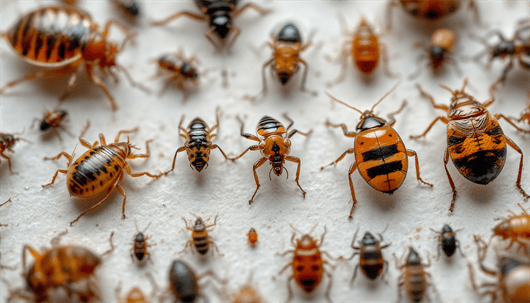
So, what does an adult bed bug actually look like? Here are the key characteristics:
Shape and Size: They are small, flat, and oval-shaped, roughly the size of an apple seed (about 3/16 inch long).
Color: An adult bed bug is mahogany or reddish-brown. After a blood meal, they become more swollen and red.
Life Cycle: A bed bug egg is tiny and pearly white. Young bed bugs, or bed bug nymphs, are smaller and translucent or yellowish-white until they begin to feed.
Signs of Infestation: Telltale signs include small, dark fecal spots on mattresses, shed skins, a sweet, musty odor, and, of course, bed bug bites.
The Top 5 Pests Commonly Mistaken for Bed Bugs
Many homeowners are surprised to learn that the bug they found is not a bedbug at all. Here are the five most common culprits that cause confusion.
1. Bat Bugs
The bat bug is a very close relative of the bed bug and looks almost identical to the naked eye. The primary difference, visible only under magnification, is that the hairs on their head are longer. As their name suggests, their primary host is a bat. If a bat colony is roosting in an attic or wall void, these pests can migrate into living spaces, and they will bite humans if their primary host is unavailable.
2. Spider Beetles
At a glance, the shiny, reddish-brown body and long antennae of spider beetles can cause alarm. These beetles have a rounded, humpbacked appearance that distinguishes them from the flat bed bug. While finding spider beetles can be unnerving, the good news is they do not bite humans. Instead, these pests infest stored food products like flour, grains, and spices. An infestation of this spider beetle points to a pantry problem, not a bedroom one.
3. Carpet Beetles
Carpet beetles are one of the most common bed bug look alikes. The adult carpet beetles are small, oval-shaped beetles with varied colors (often black with mottled yellow and white patterns). However, the real source of confusion is the carpet beetle larvae. These tiny, bristly creatures feed on natural fibers like wool, silk, and leather. The bristles on their bodies can break off and get trapped in bedding or clothing, causing an irritating skin reaction that is often mistaken for bed bug bites. If you see damage to fabrics alongside what looks like a bug bite, you may be dealing with carpet beetles.
4. Cockroach Nymphs
While an adult cockroach is easy to identify, baby cockroaches are another story. A cockroach nymph, especially from a German or brown-banded cockroach, can be similar in size and color to a bed bug. However, baby cockroaches are more cylindrical than flat and oval. They also have more prominent antennae. These young pests prefer warm, moist environments like kitchens and bathrooms rather than the mattress seams favored by the common bedbug.
5. Swallow Bugs
Much like the bat bug, swallow bugs are another close relative of the bed bug. Their primary host is the cliff swallow, and they live in their nests. Swallow bugs can become a major nuisance when their bird hosts migrate. Searching for a new food source, these pests can enter homes through cracks and crevices, especially in rooms near the nesting sites. An infestation of swallow bugs can feel identical to bed bug infestations, making professional identification essential. Their long antennae are a distinguishing feature.
Comparing the Bites: Bed Bug Bite vs. Others
A bed bug bite often appears in clusters or a distinct line of three, sometimes called "breakfast, lunch, and dinner." However, reactions can vary greatly. In contrast, a flea bite is typically found in small clusters around the ankles and lower legs. Flea bites are intensely itchy. A mosquito bite usually results in a scattered pattern of itchy welts. It's important to remember that diagnosing an insect problem based on bites alone is unreliable, as skin reactions differ from person to person. Even a flea can cause significant irritation.
What to Do When You Suspect Bug Infestations
If you find a suspicious tiny insect in your home, the best course of action is to seek professional help. DIY treatments for bug infestations often fail, especially with resilient pests like the bedbug. An expert can accurately identify the pest, assess the scope of the infestation, and recommend the most effective pest control service.
Professionals have access to a range of tools and knowledge for both residential pest control and commercial pest control. According to the National Pest Management Association, professional intervention is the most effective way to handle established bed bug infestations.
The Enviroguard Advantage in Pest Identification and Control
At Enviroguard, we bring a science-based methodology to every job, focusing on understanding pest biology and behavior. This knowledge allows us to develop tailored treatment plans that effectively target your specific pest issue. By utilizing advanced tools and techniques, we ensure our clients receive the most effective general pest control solutions available.

Our commitment to quality and customer satisfaction is our top priority. We place a strong emphasis on education, providing you with the resources and insights needed to understand bug facts and prevention strategies. This proactive approach empowers you to take an active role in maintaining a pest-free environment. Our team of trained professionals is dedicated to solving your pest problems efficiently, delivering high-quality service backed by experience. We also offer specialized services like mosquito control to keep your property safe and comfortable.
Protect Your Home with EnviroGuard Pest Control. Don't let pests be mistaken guests in your home or business. At EnviroGuard Pest Control, we bring over 40 years of combined experience to ensure your property is safeguarded against pests with environmentally friendly and family-safe solutions. Our local experts in Austin, Texas, are committed to delivering detailed service and the best customer experience. Whether you're facing bed bugs or any other pests, trust us to provide the protection you need all year round. Contact Us today to schedule your comprehensive pest control service and join our family of satisfied customers.