A Proactive Guide to Pest Control in Healthcare Facilities
In 2025, healthcare facilities are navigating a landscape of immense pressure. With budget constraints and staffing challenges, maintaining the highest standards of sanitation and patient safety is more complex than ever. This climate makes proactive pest management not just a line item, but a cornerstone of exceptional patient care. The risk of a pest infestation, from bed bugs to cockroaches, poses a significant threat to a facility's reputation and, more importantly, to the well-being of its vulnerable patients. Effective healthcare pest control is essential for creating a safe, sterile environment where healing can thrive.
The Unique Challenges of Pest Control in a Healthcare Environment
A healthcare facility is unlike any other commercial building. The constant flow of patients, visitors, and staff, combined with food service operations and 24/7 activity, creates a high level of pest pressure. The need to protect individuals with compromised immune systems means that standard pest control solutions are often not an option. Every pest issue must be handled with precision, discretion, and a deep understanding of the healthcare industry.

The primary goal is to maintain a pest-free environment, as common pests introduce a serious health risk through the spread of pathogens and bacteria. A single pest sighting can undermine patient trust and lead to failed inspections, impacting regulatory compliance. This is why a specialized approach to pest control is not a luxury, but a necessity for any modern health care facility.
Implementing Integrated Pest Management (IPM) in Healthcare
The most effective strategy for modern healthcare facilities is Integrated Pest Management (IPM). Recommended by experts, including the National Pest Management Association, IPM is a sustainable and science-based approach that prioritizes prevention. Instead of simply reacting to a pest problem, Integrated Pest Management focuses on understanding the environmental factors that allow pests to thrive and addressing them at the source. This holistic method minimizes the use of chemical treatments, which is critical in a sensitive healthcare setting.
Key Components of a Healthcare IPM Plan
A robust IPM program, tailored to a medical facility, is a multi-step process that a pest control professional will implement. This includes:
Thorough Inspections: Regularly assessing the entire healthcare facility, from patient rooms to storage areas, to identify potential entry points, food sources, and signs of pest activity.
Pest Identification: Correctly identifying the specific unwanted pests is crucial for creating an effective treatment plan.
Monitoring and Documentation: Using tools like sticky traps and monitoring stations to track pest populations and document findings. This data helps in making informed decisions about control strategies.
Strategic Control: Implementing targeted pest control measures that can include habitat modification, exclusion techniques (like sealing cracks), and the judicious use of safe, approved products.
Targeting Common Pests in Medical Facilities
While every healthcare facility is unique, several common pests pose a recurring threat. A comprehensive pest management plan must have specific protocols for each.
Bed Bugs in Long-Term Care and Hospitals
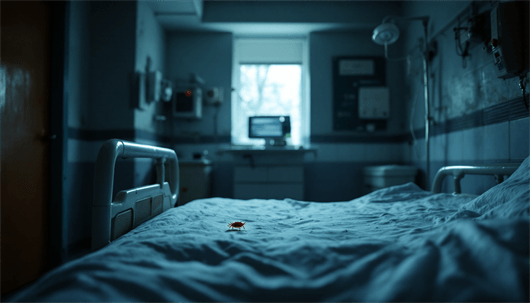
Long-term care facilities and hospitals are particularly susceptible to a bed bug infestation. These pests are excellent hitchhikers and can be introduced by patients, staff, or visitors. Early detection is vital to prevent a widespread infestation. Staff training on identifying the signs of bed bugs—such as small reddish-brown spots on bedding or patient complaints of bites—can contain a problem before it escalates.
Cockroaches and Sanitation Protocols
Cockroaches are a major concern in any healthcare setting. They are known carriers of numerous diseases and can trigger allergies and asthma. Effective cockroach control is intrinsically linked to sanitation. Keeping food service areas immaculate, managing waste properly, and eliminating moisture sources are the first lines of defense. When an infestation occurs, targeted treatments are necessary to eliminate these resilient pests. The presence of cockroaches can quickly compromise a sterile environment.
Rodent Control and Structural Integrity
The presence of a single rodent can have severe consequences for a healthcare facility. A rodent can chew through wiring, contaminate sterile supplies, and spread disease. Effective rodent control involves a two-pronged approach: removing the existing rodent population and preventing new ones from entering. This often requires sealing entry points in the building's foundation and walls. Advanced pest control solutions, such as specialized pest control insulation, can also serve as a deterrent for rodent and insect control.
The Enviroguard Advantage: Your Partner in Healthcare Pest Management
When it comes to pest control in sensitive environments, expertise matters. At Enviroguard, we understand that healthcare facilities require a higher standard of service. Our approach to commercial pest control is rooted in the principles of Integrated Pest Management, ensuring our pest control solutions are both highly effective and appropriate for your environment. We focus on providing expert pest control that protects your patients and staff while ensuring your facility remains compliant with all health regulations.
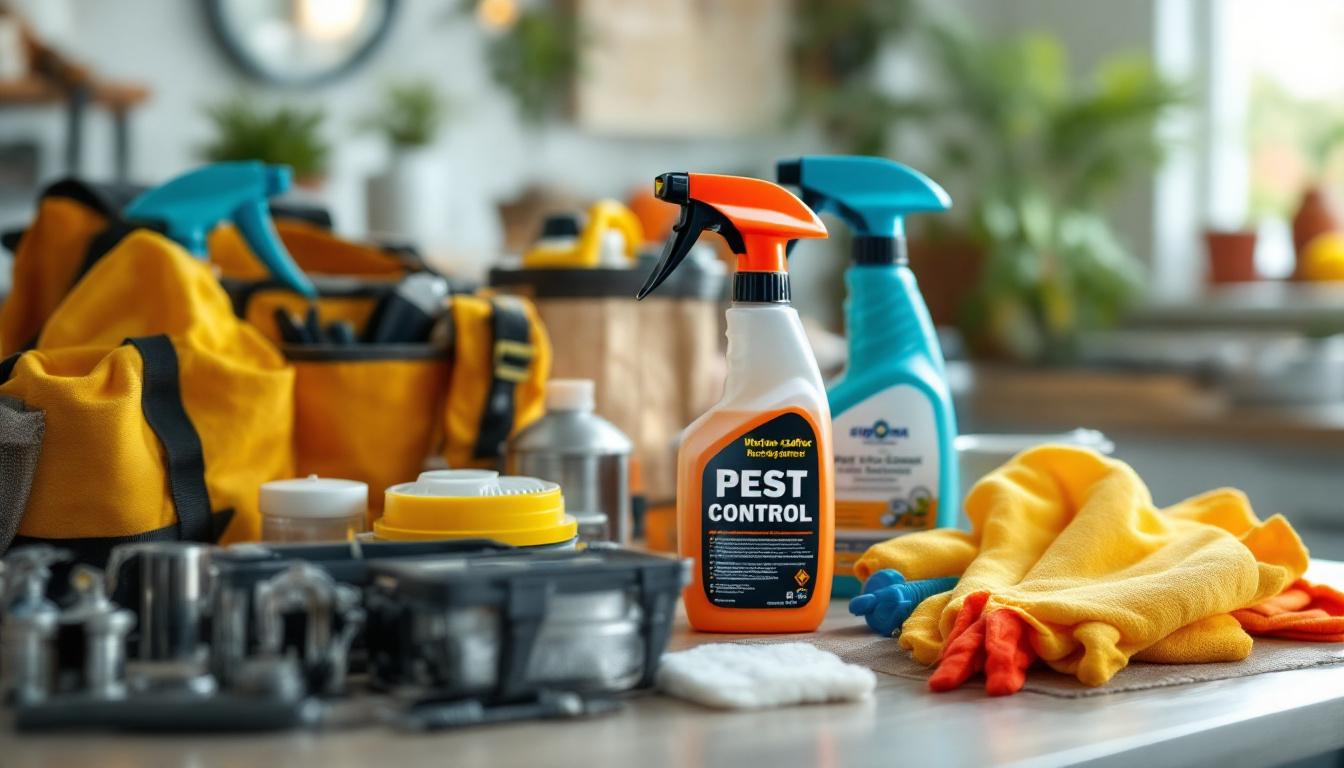
Our team of experienced professionals develops customized pest management plans that address the specific vulnerabilities of your medical office or hospital. By fostering a proactive partnership, we help your staff become the first line of defense in pest prevention, significantly reducing the incidence of pest-related issues and helping you maintain the highest standards of patient care.
Adherence to Joint Commission Standards
Maintaining accreditation is paramount for all healthcare organizations. The Joint Commission provides a detailed checklist for pest control that facilities can use to ensure they meet safety and compliance standards. Adhering to these guidelines is not just about passing an inspection; it is about a fundamental commitment to patient safety. A partnership with a qualified pest management provider ensures that your protocols for pest prevention, monitoring, and response are effective and thoroughly documented, helping you meet and exceed these critical benchmarks.
Protect Your Healthcare Facility with Enviroguard Pest Control
Don't let bed bugs and other pests compromise the health and safety of your healthcare facility. At Enviroguard Pest Control, we understand the unique challenges you face and offer environmentally friendly, family-friendly pest control solutions tailored to your needs. With over 40 years of combined experience and a commitment to exceptional customer service, our team of local experts is ready to guard your property against pests year-round. Contact Us today to learn how we can help you maintain a pest-free environment and uphold the highest standards of care for your patients and staff.