
Checklist: Working the Bugs Out of the Logistics Supply Chain
In today's fast-paced economy, maintaining the integrity of the logistics supply chain is more critical than ever. For logistics companies, an often-underestimated threat can halt operations, damage goods, and tarnish a hard-won reputation: pests. A single pest infestation can lead to product contamination, regulatory fines, and significant supply chain issues. This guide provides a comprehensive overview of logistics supply chain pest control, offering actionable strategies to protect your facilities, products, and bottom line.
Effective pest management is not just a reactive measure; it's a foundational component of successful supply chain management that ensures your operations remain seamless and secure.
Understanding the Unique Pest Challenges in Logistics
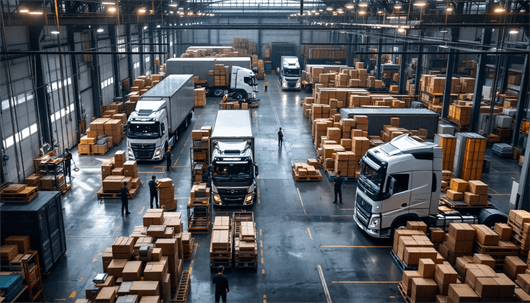
A warehouse or distribution center is not like any other commercial space. The constant flow of goods, with every incoming shipment presenting a potential Trojan horse for invasive pests, creates a unique and high-stakes environment. These facilities offer ample shelter, and if you're part of the food supply chain, an endless buffet for common pests.
The sheer scale of a logistics facility, with its countless hiding spots and potential entry points, increases the pest pressure significantly. From rodents and cockroaches to stored product pests and flying insects, the potential for a widespread pest infestation is a daily concern for warehouse managers. Effective pest control in the logistics sector requires a specialized approach that addresses these distinct challenges head-on.
The Core of Modern Pest Management: An Integrated Approach
The most effective way to protect your logistics operations is through a strategy known as Integrated Pest Management (IPM). This is the gold standard within the pest control industry and the core philosophy we practice at Enviroguard. IPM is a holistic and sustainable approach that prioritizes pest prevention and minimizes risk. Rather than simply reacting to a pest problem, IPM focuses on understanding the reasons pests are present and implementing long-term pest control solutions.
An IPM program involves several key stages:
Inspection: Our pest control specialists conduct thorough inspections to identify signs of pest activity, locate potential harborage areas, and perform accurate pest identification.
Exclusion: We focus on preventing pest entry by sealing cracks, gaps, and other vulnerabilities in your building's structure.
Sanitation: We provide expert recommendations to eliminate food, water, and shelter sources that attract pests.
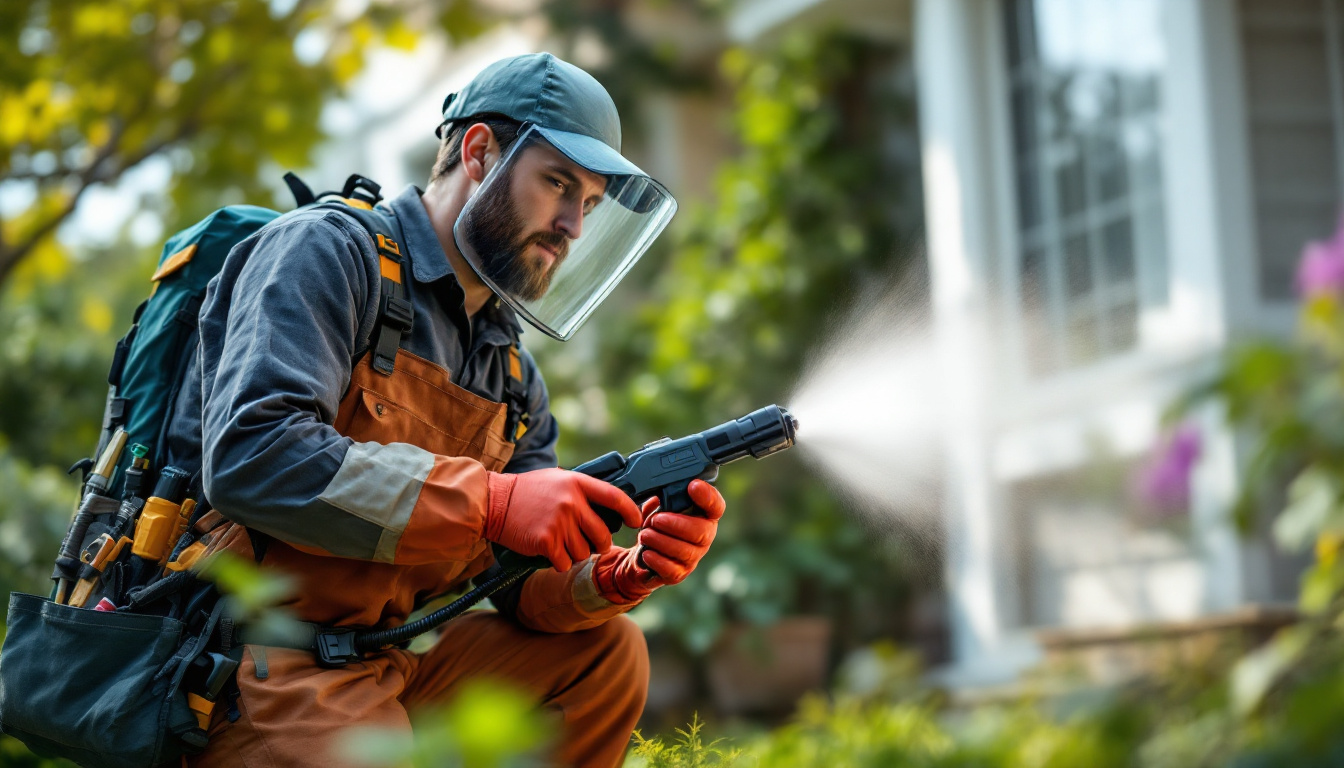
Targeted Treatment: When treatment is necessary, we use precise and effective control methods, which may include tools like strategically placed bait stations or treatments for a specific insect. This approach includes advanced techniques like biological control, which uses natural predators to manage pest populations where appropriate.
Proactive Strategies for Your Warehouse and Distribution Center
Managing pests effectively is about building layers of defense. A proactive pest control plan is essential for any warehouse or logistics company looking to safeguard its operations and maintain supply chain integrity.
Fortifying Your Facility Against Pests
The first step in any pest management plan is to make it as difficult as possible for pests to get inside. Regular inspections of your building's exterior—including loading dock doors, windows, and utility penetrations—are crucial. Sealing any openings prevents pest entry and is a highly effective, non-chemical form of control. This simple act of maintenance can dramatically reduce the risk of a pest issue developing within your warehouse operations.
Sanitation and Storage Best Practices
A clean facility is a pest-resistant facility. Implementing and enforcing strict sanitation protocols is one of the most powerful forms of pest prevention. This includes:
Waste Management: Ensuring dumpsters are located away from the building and have tight-fitting lids.
Cleaning Schedules: Regularly cleaning floors, racking, and hard-to-reach areas to remove spills and debris that could serve as a food source.
Proper Storage: Storing goods off the floor and away from walls to allow for easier inspection and cleaning. This is especially vital in the food supply chain to prevent contamination.
Monitoring and Documentation
Continuous monitoring is key to early detection. A professional pest control service will establish a monitoring program to track pest activity and assess the effectiveness of the control measures. Meticulous documentation of all sightings, actions taken, and materials used is not just a best practice—it is essential for regulatory compliance and identifying trends over time.
Supply Chain Pest Management: Beyond Your Four Walls
Your control efforts shouldn't stop at your own loading dock. The modern supply chain is an interconnected web, and a pest problem can easily travel from a supplier to your distribution center.

Evaluating the pest control protocols of your partners and suppliers is a critical aspect of comprehensive supply chain pest management. It's important to ensure that every incoming shipment has been protected from pests before it reaches your facility. Clear communication and shared standards across the entire supply chain create a stronger, more resilient network for everyone involved. Without this diligence, even the best internal pest control program can be undermined.
Choosing the Right Pest Control Partner
When selecting a pest control company, it's vital to choose a partner with proven experience in the logistics sector. While residential pest control focuses on household pests, commercial pest control for a logistics facility requires a deep understanding of audit requirements, complex facility layouts, and the unique pressures of warehouse environments.
Look for a provider that offers customized pest control solutions tailored to your specific needs. Your partner should function as an extension of your team, helping you address any pest concerns and protect your assets with reliable, effective pest control.
Secure Your Supply Chain with Enviroguard Pest Control
Don't let pests disrupt your business operations and supply chain integrity. At Enviroguard, we bring over 40 years of combined experience to provide you with environmentally friendly and family-safe pest control solutions. Our local experts in Austin, Texas, are committed to delivering the best treatment and customer service, ensuring your commercial or residential property remains pest-free year-round. Ready to protect your business with attentive, eco-conscious pest management? Contact Us today and experience the Enviroguard difference.