
Which Pest Control Methods are Right for Your Facility?
2026 is a year marked by an increased awareness of the importance of effective sanitation and safety in various workplaces. Whether you operate a healthcare clinic, a hospitality venue, or a food processing facility, understanding the right strategies can significantly impact the health and safety of occupants. This article delves into comprehensive strategies, targeted approaches, and essential techniques to help you choose the most effective pest control methods for your facility.
Comprehensive Pest Control Strategies
To ensure a pest free environment, facilities must adopt comprehensive strategies. These plans not only address existing issues but also fortify the building against future invasions. A multi-faceted pest control strategy is crucial, as it allows for the integration of various methods tailored to specific environmental challenges.
Selecting Effective Pest Control Methods
When selecting a pest control method, it is essential to consider the unique needs of your building. Factors such as the species involved, the environment, and food safety regulations should guide the decision-making process. For instance, chemical pesticides may be effective for immediate eradication, but they can pose risks to sensitive populations, such as patients in healthcare settings.
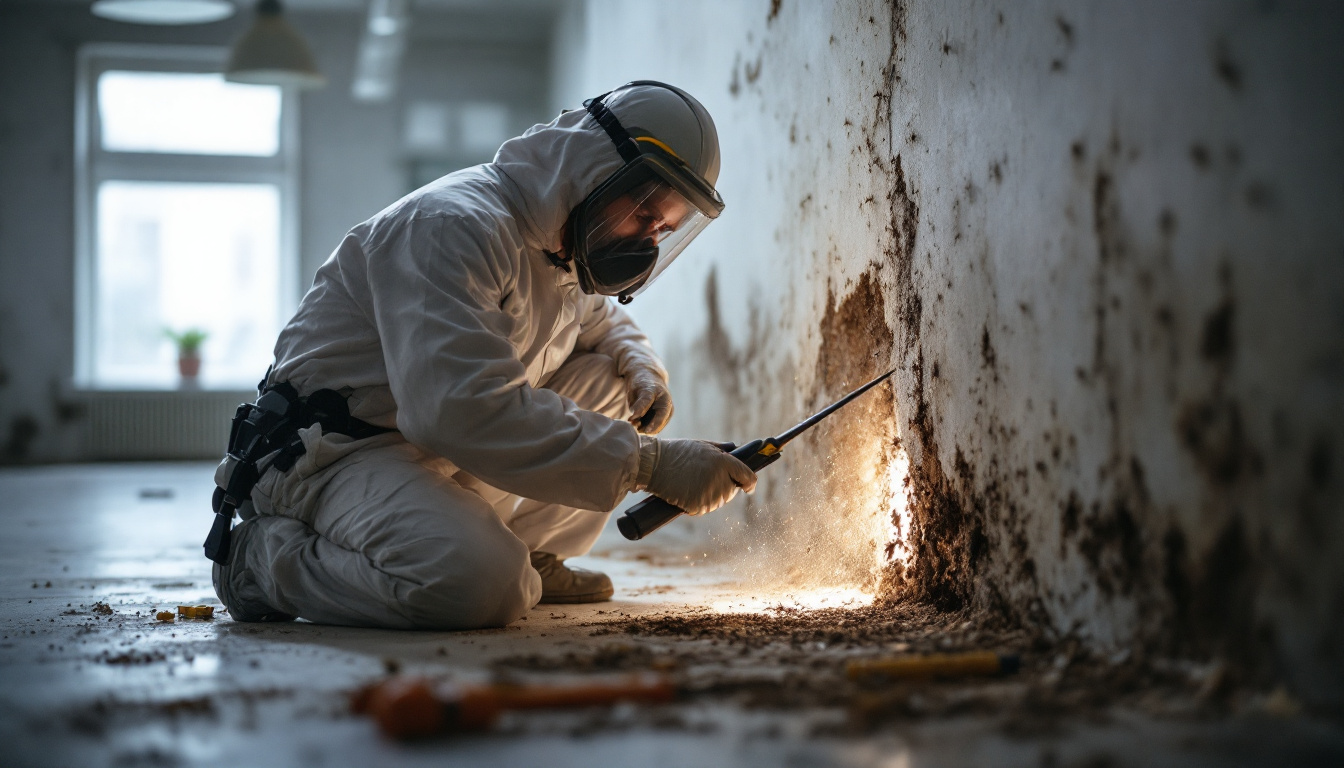
Green pest control options and physical pest control barriers—such as exclusion techniques—can be effective in minimizing populations without introducing harmful substances. Additionally, training staff on identification empowers them to act promptly when issues arise, contributing to successful pest management.
Integrated Pest Management Overview
Integrated pest management (IPM) is a holistic approach that combines multiple strategies to handle unwanted visitors sustainably. This method emphasizes understanding the life cycle, behavior, and environmental factors that contribute to infestations. By utilizing monitoring, prevention, and specific control methods, IPM aims to minimize the use of pesticide applications while effectively managing the pest population.
Implementing an IPM program requires collaboration among facility managers, pest control services, and staff. Regular assessments ensure the program remains effective and responsive to changing dynamics.
Biological and Chemical Balance
A robust IPM plan might include biological pest control, which utilizes a beneficial insect or natural predator to keep populations in check, alongside chemical pest control methods only when necessary. This balance ensures that controlling pests does not come at the cost of environmental safety.
Targeted Termite Control Approaches
Termites pose a significant threat to structural integrity, making targeted approaches essential. Understanding termite behavior and risks is the first step in developing an effective plan.
Understanding Termite Behavior and Risks
Termites are social insects that live in colonies, making them difficult to detect until significant damage has occurred. They primarily feed on wood, paper, and other cellulose materials. Understanding their behavior, such as their nesting habits and feeding patterns, can help in identifying a potential insect pest early.
Facilities located in areas with high activity should consider preventative measures to mitigate risks. Awareness of the signs of activity, such as mud tubes and damaged wood, is crucial for prompt action.
Effective Termite Treatment Solutions
Effective solutions often involve a combination of chemical and non-chemical methods. Bait stations can be used to attract and eliminate termites, while chemical treatment barriers prevent them from entering the structure. Additionally, removing moisture sources and repairing structural damage can significantly reduce the likelihood of activity.
Engaging with a professional pest control service that specializes in termite management can provide facilities with tailored solutions. Ancillary pest control services, such as moisture control or insulation replacement, may also be necessary for long-term protection.
In-Depth Pest Library
A comprehensive understanding of what you are up against is essential. Facilities can benefit from maintaining an in-depth library that provides information on a common pest or general insect identification.
Common Pests and Their Identification
Rodents, cockroaches, and ants can pose significant health risks and disrupt operations. Each has distinct characteristics that aid in identification. For example, cockroaches are known for their rapid reproduction and can be identified by their dark color and flattened bodies.
Establishing a library that includes images and descriptions can help staff recognize a pest problem early. This proactive approach allows for timely intervention.
Seasonal Pest Trends and Patterns
Understanding seasonal trends is vital. Many species exhibit seasonal behaviors, with pest activity peaking during specific times of the year. For instance, ants may swarm in the spring, while rodents often seek shelter indoors during colder months.
By monitoring these trends with a regular inspection, facilities can implement defenses ahead of peak seasons. This might include sealing entry points, removing food sources, and conducting routine checks to stay ahead of any pest infestation.
Pest Management in Healthcare Settings
In healthcare settings, sanitation is critical to ensuring patient safety and maintaining a sterile environment. Commercial pest control strategies must be employed to address the unique challenges posed by these sensitive environments.
Cockroach Control: Best Practices for Hospitals
Cockroaches are notorious for their ability to thrive in unsanitary conditions and can carry pathogens harmful to human health. Best practices for controlling cockroach populations include thorough cleaning, proper waste management, and sealing cracks where they may enter.
Implementing a monitoring program that includes sticky traps can help identify presence and inform targeted treatment efforts. Staff training on recognizing signs of an infestation is also essential.
Managing Bed Bugs in Long-Term Care Facilities
Bed bugs are a growing concern in long-term care facilities due to their ability to spread rapidly. Effective management involves a combination of prevention, detection, and treatment strategies.
Routine checks and staff training on identification are crucial for early detection. In the event of an issue, facilities should engage professional pest control partners immediately. Treatment may involve a combination of heat treatments, chemical control applications, and thorough cleaning of affected areas.
Essential Pest Prevention Techniques
Stopping an invasion before it starts is often more effective and less costly than dealing with an active one. Implementing essential prevention techniques can significantly reduce the likelihood of unwanted guests entering a facility.
Joint Commission Pest Control Guidelines
The Joint Commission provides guidelines for healthcare settings, emphasizing the importance of maintaining a sterile environment. These guidelines recommend routine checks, staff training, and collaboration with professionals.
Facilities should ensure that control measures align with these guidelines to meet regulatory standards. Documentation of activities and outcomes is also essential for compliance.
Strategies to Prevent Pest Infestations
Effective strategies include maintaining cleanliness, sealing entry points, and managing landscaping. Regular cleaning and proper waste disposal can eliminate food sources, while sealing cracks and gaps in walls and foundations can prevent entry.
Additionally, landscaping should be managed to reduce habitats. Keeping vegetation trimmed and ensuring proper drainage can minimize the risk of finding shelter near the facility. These proactive steps are essential for long-term security.
Understanding Bed Bugs
Bed bugs are a persistent problem in many facilities. Understanding their behavior and myths surrounding them is crucial for effective results.
Bed Bug Facts vs. Myths in Healthcare
There are many myths that can hinder effective management. One common misconception is that bed bugs are only found in dirty environments. In reality, they can thrive in any location, regardless of cleanliness. They are attracted to warmth and carbon dioxide.
Education on facts is essential for staff and residents alike. Understanding how they spread and their life cycle can empower individuals to report pest sightings immediately.
Health Care Pest Management Plans: IPM Focus
Healthcare facilities should develop plans that focus on Integrated Pest Management. These plans should outline procedures for monitoring, prevention, and treatment, ensuring a comprehensive approach.
Regular reviews and updates to the plan are necessary to adapt to changing dynamics. Engaging staff in the development and implementation of these plans can enhance their effectiveness.
Long-Term Pest Prevention Solutions
Long-term solutions are essential for maintaining a clean environment. Implementing sustainable practices can significantly reduce the likelihood of future issues.
Implementing IPM to Avoid Future Infestations
Implementing an IPM approach is one of the most effective pest control strategies for the long term. This strategy involves continuous monitoring, staff education, and a combination of preventative measures tailored to the facility's specific needs.
By fostering a culture of awareness, facilities can significantly reduce their reliance on heavy pesticide usage and enhance their overall efforts.
The Importance of Ongoing Pest Monitoring
Ongoing monitoring is crucial for identifying a potential pest issue before it escalates. Regular inspections (conducted 1-2 times a year deeply, but monitored constantly) and monitoring programs can help detect early signs of activity.
Facilities should establish a routine schedule and encourage staff to report any signs immediately. This proactive approach helps in managing the current pest situation and contributes to long-term prevention.
In conclusion, choosing the right pest control methods involves a comprehensive understanding of behavior, effective strategies, and ongoing prevention techniques. By adopting a proactive approach and utilizing biological control or other IPM techniques where applicable, facilities can ensure a safe and healthy environment for all occupants.
Protect Your Facility with EnviroGuard Pest Control
Choosing the right partner is crucial for the health and safety of your facility. At EnviroGuard Pest Control, we bring over 40 years of combined experience to deliver environmentally friendly and family-safe solutions. Our local experts are committed to guarding your property with attentive customer service and sustainable practices.
Whether you need a reliable pest control business to handle termite mitigation, rodent issues, or comprehensive solutions, trust us to keep your facility secure year-round. Contact Us today to learn how we can tailor our services to meet your facility's specific needs.