
A 60-Second Guide to Acing Your Audit
In 2025, the focus on meticulous pest management and its direct impact on food safety has never been more intense. For businesses, navigating the complexities of regulatory compliance is paramount. A critical component of this is the pest control audit, a process that can feel daunting but is entirely manageable with the right preparation. A robust pest management program isn't just about eliminating pests; it's about demonstrating control, diligence, and adherence to the highest audit standards. This guide provides a comprehensive overview of how to prepare for and pass your audit with confidence.
The Foundation of a Successful Audit: Professional Pest Control Services
At its core, a successful pest audit hinges on the quality and consistency of your pest control efforts. Professional pest control services offer a structured approach to managing and eliminating any pest that could compromise your facility. These services go beyond simple treatments, creating a defensive barrier that keeps your operations compliant and safe.
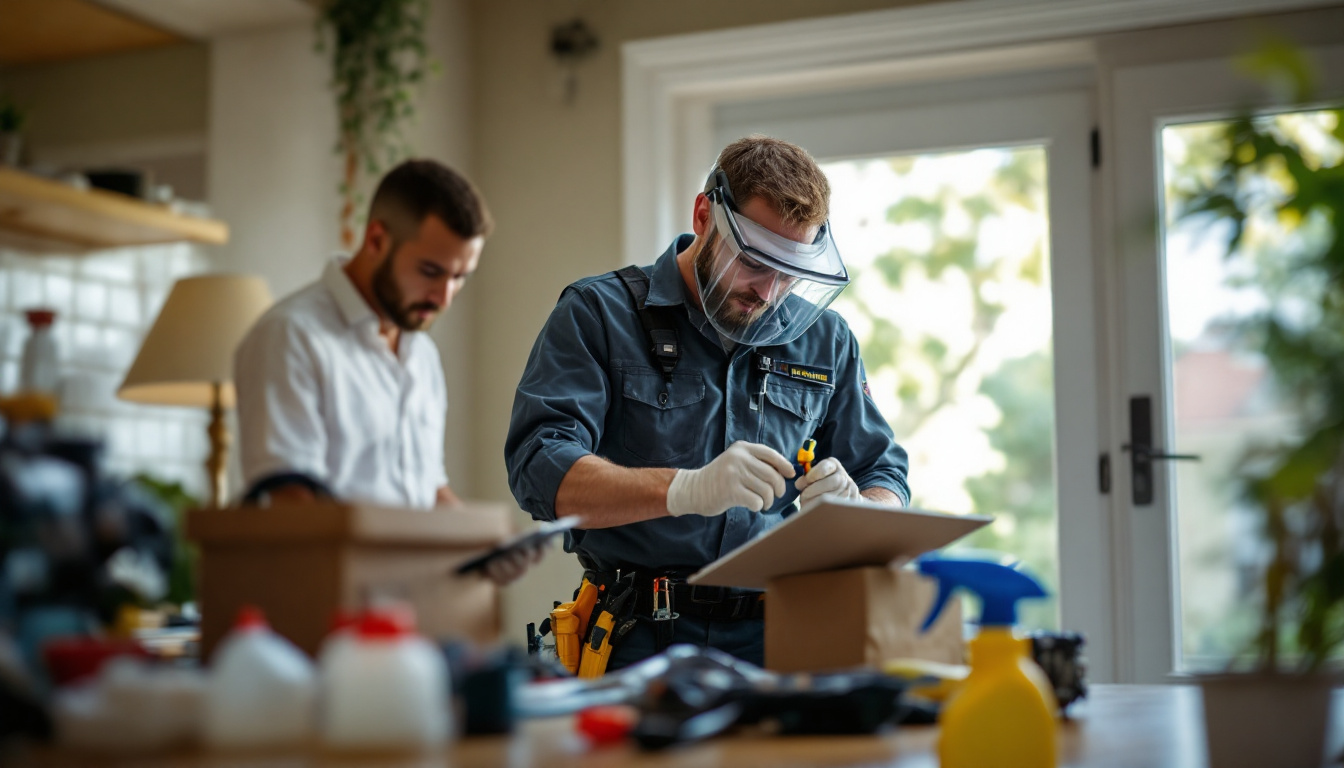
Effective pest control solutions range from proactive prevention to reactive treatments, ensuring a facility remains free from any unwanted pest activity. Understanding the available options is the first step toward compliance. While methods like chemical treatments and biological controls have their place, an integrated pest management (IPM) strategy is often considered the gold standard. IPM programs focus on long-term prevention and use a combination of techniques for minimal environmental impact, making them a preferred choice for businesses aiming for both sustainability and audit success. A qualified pest control technician is essential for implementing these strategies correctly.
Why Partnering with an Expert Pest Control Provider Matters
Choosing the right pest management provider is arguably the most critical decision you'll make in preparing for a third party audit. An expert partner doesn't just treat a pest problem; they become an integral part of your compliance team.
The Enviroguard Approach: Experience and Expertise
At Enviroguard, we deliver an innovative and science-based approach to commercial pest management. By leveraging advanced pest control technology and research, we provide solutions that are both effective and sustainable. This commitment to excellence is the foundation of every pest control program we design, tailored to meet the unique needs of each client.
Our experienced professionals begin with a thorough inspection and a detailed risk assessment of your facility. This allows us to identify areas of high pest pressure and develop targeted strategies that address specific vulnerabilities before they become a major pest issue. This meticulous approach not only enhances pest control outcomes but also ensures you meet and exceed demanding industry regulations.
Commitment to Sustainable and Compliant Practices
In an era of increasing environmental awareness, Enviroguard stands out for its commitment to sustainable pest management practices. We focus on environmentally friendly solutions that align with modern industry standard benchmarks, including those set by the Global Food Safety Initiative. This approach minimizes the ecological impact of pest control while effectively managing pest populations. Implementing sustainable practices resonates with today's consumers and can significantly enhance your company’s reputation, contributing to a positive audit outcome.
Critical Components for Commercial Pest Control in Audited Facilities
Different industries face different challenges, but for businesses undergoing audits, especially in the food sector, the stakes are exceptionally high. A strategic commercial pest control plan is non-negotiable.

Tailored Solutions for the Food Processing Industry
Food processing facilities present a unique set of challenges. The constant presence of food products means even a minor pest infestation can lead to widespread contamination and a failed food safety audit. A single pest sighting can be enough to compromise an entire inspection. That's why a customized pest management plan is crucial. This involves a complete facility assessment, the identification of all potential pest entry points, and the implementation of strong preventive measures. This proactive approach is the best way to protect food safety and operational integrity.
Identifying and Managing Pest Hot Spots
Preventing a future infestation starts with identifying areas vulnerable to pest activity. A routine interior inspection and continuous monitoring can help pinpoint these hot spots, which often include areas with moisture, food debris, or clutter. By proactively addressing vulnerabilities around potential pest entry points, businesses can drastically reduce the likelihood of an insect or rodent infestation and strengthen their overall pest management strategy.
Documentation: The Key to Demonstrating Compliance
During a pest control audit, your documentation is your proof of diligence. If an activity isn't recorded, for auditing purposes, it didn't happen. Flawless record-keeping is the cornerstone of audit readiness.
Effective Record-Keeping for Pest Control Activities
Keeping detailed logs of all pest control activities is essential. This documentation should include dates and times of every inspection, treatments applied, a map of any pest control device locations, and detailed notes on any findings. Analyzing this information also helps identify any pest trend data, allowing for more predictive and effective control measures. These records are the first thing an auditor will ask for to verify your pest control efforts.
Using a Pest Control Inspection Checklist
To avoid the common pitfall of poor documentation, businesses should implement a clear and comprehensive pest control inspection checklist. This tool establishes a consistent protocol for every regular inspection, detailing what needs to be checked, by whom, and how frequently. Following a structured checklist for every pest control inspection streamlines the process, fosters accountability, and makes preparing for third party audits significantly smoother. This ensures all food safety standards are consistently met.
Proactive Strategies for Long-Term Pest Prevention
Ultimately, the goal is to move from reactive treatments to proactive pest prevention. Preventing a pest from entering your facility is the most effective pest control strategy of all. This involves rigorous facility maintenance to seal any potential points of pest entry, coupled with comprehensive staff training on sanitation, proper storage, and how to identify the early signs of a problem.

By understanding the key aspects of pest control services, tailoring solutions to your industry, and committing to meticulous documentation, your business can face any of the pest control audits with confidence.
Ready to Ace Your Audit with Enviroguard?
Don't let pests compromise your audit success. At EnviroGuard Pest Control, we bring over 40 years of combined experience to ensure your property is safeguarded with the most effective and environmentally friendly solutions. Our local experts in Austin, Texas, are committed to providing detailed service with "family-friendly" products, keeping your environment safe and pest-free. Whether you're in the food industry or managing a residential property, our tailored pest control services are designed to meet your specific needs. Take the first step towards a flawless audit and a pest-free property by reaching out to our dedicated team. Contact Us today and experience the Enviroguard difference.