
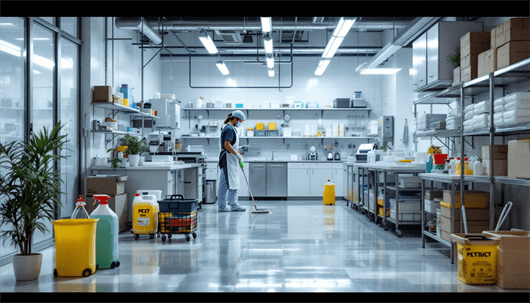
Facility Check-Up: Pest Management and Sanitation
For any business in the food and beverage industry, 2025 marks a critical point for refining operations, particularly in the realms of pest management and sanitation. With evolving regulations and heightened consumer expectations, creating a pest-free environment is no longer just a recommendation—it is fundamental to safeguarding food safety, ensuring operational continuity, and protecting your brand. This article provides a comprehensive look at professional pest control services, effective strategies for outdoor and indoor pest management, and the vital role sanitation plays in a successful pest management strategy.
The Core of a Safe Facility: Comprehensive Pest Control Services
Effective pest control services are the bedrock of a hygienic and compliant facility. These services are far more than just reactive measures; they represent a holistic management approach tailored to the unique environment of your business. A truly comprehensive pest management plan involves routine inspections, continuous monitoring, and strategic treatment plans. This approach, often part of an integrated pest management (IPM) program, is designed to eliminate current pest issues and prevent future pest establishment.

Why Pest Prevention is Non-Negotiable in Food Safety
Food safety is the most critical commitment of any food-related business, and pest prevention is a massive part of upholding that promise. Pests, whether they are an insect, rodent, or bird, are vectors for disease and can contaminate food products, posing serious health risks to consumers. Implementing robust pest prevention measures is the most effective way to reduce the risk of foodborne illnesses and maintain compliance with health codes. An unresolved pest problem can lead to significant financial and reputational damage.
A facility free from any pest infestation also enhances your business's reputation. Consumers naturally gravitate towards establishments that visibly prioritize cleanliness and safety. Therefore, investing in professional pest management is not merely a regulatory hurdle but a sound business decision that builds trust.
Integrated Pest Management (IPM): The Modern Approach
An effective pest management plan relies on a science-led, sustainable methodology. Integrated Pest Management (IPM) is a comprehensive approach that combines multiple strategies to achieve long-term pest control. It moves beyond simply reacting with pesticides and instead focuses on understanding the entire ecosystem of the facility, from the life cycles of a pest species to the environmental factors that allow them to thrive.
Key Strategies in an IPM Program
An IPM program uses a variety of available pest control methods to provide a layered defense. This multi-faceted management style is crucial for long-term success.
Securing the Perimeter: Outdoor Management and Entry Point Exclusion
Your first line of defense begins outside. Effective outdoor pest management focuses on making your property less attractive to pests. This includes diligent landscape management, proper waste disposal, and creating physical barriers. Regularly trimming vegetation, eliminating standing water, and ensuring drainage systems are clear will minimize habitats for insects and vertebrate pests.
One of the most critical steps in controlling pests is to secure all potential entry points. A single pest can enter through a tiny crack, so regular facility inspections are essential. Sealing gaps in foundations and walls, installing door sweeps, and ensuring windows have tight-fitting screens can drastically reduce the chances of an infestation. This proactive method not only stops pests but also improves the overall security and insulation of your building.
Effective Indoor Pest Control Methods
When a pest does manage to breach outdoor defenses, a swift and effective indoor control method is required. An integrated pest management approach emphasizes a deep understanding of pest behavior to develop targeted strategies. This includes:
Pest Identification: Correctly identifying the specific pest species is the first step. Proper pest identification informs the most effective and targeted treatment plan, minimizing disruption and cost.
Habitat Manipulation: This involves altering the indoor environment to make it inhospitable to pests. Think proper food storage, moisture control, and eliminating clutter where pests can hide.
Biological Control: In some cases, biological control can be an effective component of an IPM plan. This involves using the pests' natural enemies, like specific predators or parasites, to manage the pest population. This is often more applicable in agricultural settings but has applications in certain large-scale food processing environments.
Judicious Pesticide Use: When chemical intervention is necessary, IPM principles dictate using the most targeted and least toxic pesticides available. Understanding pesticide regulation is key, and any pesticide application must be performed carefully to avoid pesticide exposure for non-target organisms and staff. Enviroguard specializes in the precise pesticide use required for sensitive environments, ensuring safety and compliance.
The Role of Sanitation in Preventing Pest Infestations
Sanitation is a cornerstone of any effective pest management program. A clean facility eliminates the food, water, and shelter that pests need to survive and reproduce. A rigorous cleaning schedule, including deep cleaning of kitchens, storage areas, and dining spaces, is a non-negotiable management practice.
Training your staff on proper sanitation is just as important. Every employee should understand the importance of cleaning spills immediately, storing food in sealed containers, and following correct waste disposal procedures. Fostering a culture of cleanliness creates a powerful, facility-wide defense against any potential pest activity.
Focus on Food & Beverage Processing Challenges
The food and beverage processing industry demands the highest standards of hygiene. The unique presence of raw ingredients like grains, sugars, and oils can attract a wide array of pests. A specialized approach to managing pests is essential.
Preparing for Audits and Ensuring Compliance
Audits are a reality in the food industry. Being prepared is crucial for demonstrating your commitment to safety. This means maintaining meticulous documentation of all pest management activities. Your records should include:
Detailed inspection reports noting any pest activity.
Records of every treatment and pest control action taken.
Logs of staff training sessions.
Data on pest monitoring devices, which help identify hot spots and potential pest damage.
Avoiding documentation errors is critical. Standardized procedures and digital record-keeping can ensure accuracy and prove compliance during an audit.
Supply Chain Pest Control: A Broader View
Effective pest management extends beyond your own four walls. It must encompass your entire supply chain. This includes vetting the management practices of your suppliers and growers, inspecting incoming goods for any sign of pests, and ensuring transport vehicles are clean. Pests can easily be introduced with a shipment of a crop or other raw material, so a vigilant receiving process is essential for pest prevention.
Eco-Friendly and Sustainable Pest Management
There is a growing demand for sustainable pest management solutions. Eco-friendly approaches prioritize minimizing the environmental impact without compromising effectiveness. This includes leveraging biological control, modifying habitats, and using non-toxic deterrents. These methods are designed to be safe for nontarget organisms, such as vital pollinators like honey bees or other beneficial insects, ensuring your pest control efforts don't harm the local ecosystem. An expert can help you implement a plan that is both green and highly effective.
Resolve Pest Issues with a Long-Term Partner
Resolving an immediate pest problem is one thing; ensuring future safety requires a forward-thinking, multifaceted approach. A successful long-term plan incorporates prevention, ongoing monitoring, and continuous improvement.
Collaboration with seasoned pest management professionals, consistent staff training, and an unwavering commitment to sanitation are the essential components of a successful pest management plan. According to the National Pest Management Association, a proactive partnership with a qualified pest control company is the most effective way to protect a business. By prioritizing these efforts, you can create a safe, hygienic environment for employees and customers alike.
Partner with Enviroguard for Expert Pest Management
Don't let pests compromise the safety and reputation of your food and beverage business. At Enviroguard, we bring over 40 years of combined experience to deliver eco-friendly and family-friendly pest control solutions. Our local experts are committed to providing detailed service with the utmost attention to customer care. We specialize in creating customized integrated pest management programs that address the specific needs and vulnerabilities of your facility, ensuring you are always audit-ready. Whether you're facing challenges with termites, rodents, or any other invertebrate or vertebrate pest, we're here to ensure your property remains pest-free and safe year-round. Contact Us today to learn how we can support your business with our comprehensive pest management strategies.