

Roof Rat Populations on the Rise: What to Know
The year 2025 is witnessing a notable surge in roof rat populations, causing significant concern for homeowners and businesses. These agile rodents, known for their climbing ability and rapid reproduction, can create serious challenges if an infestation is not managed effectively. As rat populations grow, understanding the risks these pests pose to your home and health is the first step toward effective protection.
Understanding the Roof Rat: More Than Just a Common Pest
The roof rat, known scientifically as Rattus rattus, is a common pest that thrives in elevated spaces. Often called the black rat or ship rats, they are distinct from their ground-dwelling cousins, the Norway rat. While a Norway rat prefers to burrow and stay low, the roof rat is an expert climber, frequently using overgrown trees, utility lines, and fences to gain access to the highest points of a building.
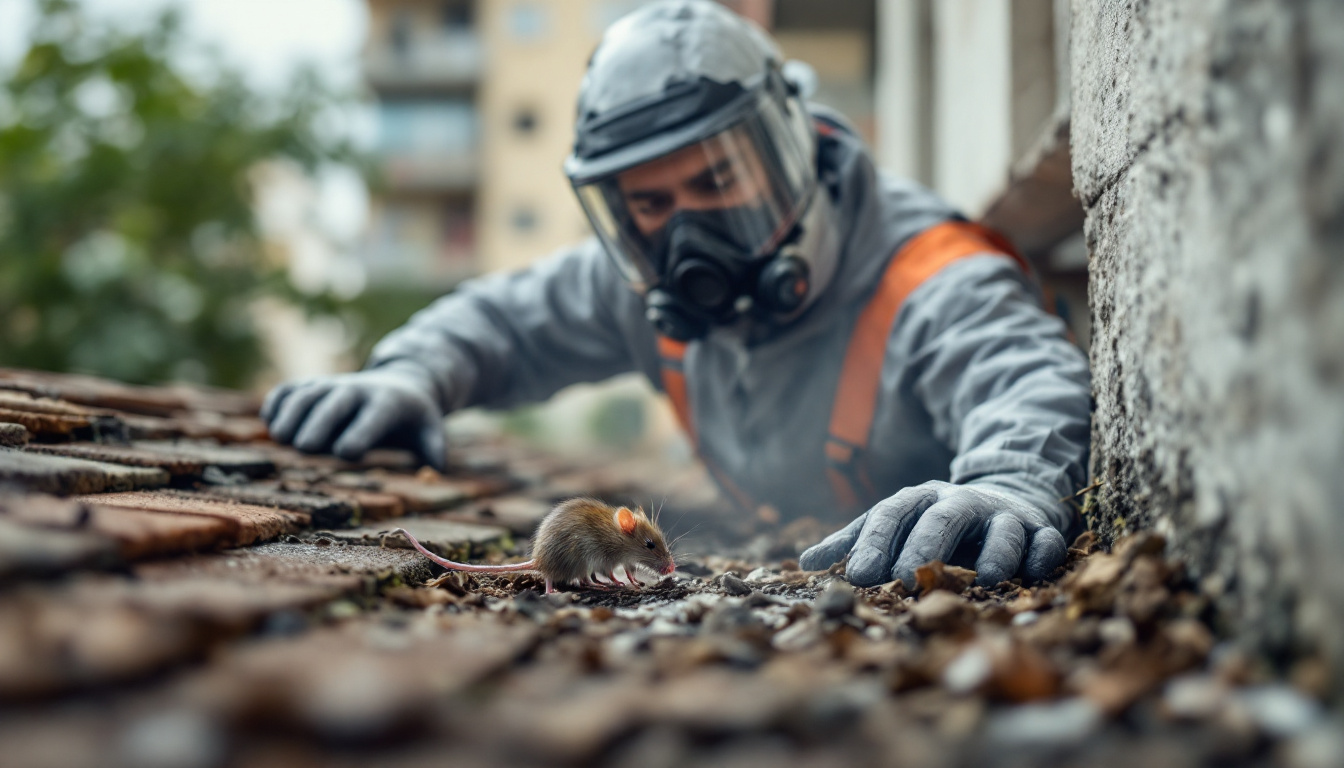
This preference for heights means they often establish nests in the attic, soffits, and within the walls of your home. The current rise in roof rat population numbers is linked to a combination of favorable environmental conditions and expanding urban development, which provides these rats with ample resources and shelter.
Signs of a Roof Rat Infestation in Your Home
Detecting rodent activity early is crucial for preventing a small problem from becoming a full-blown roof rat infestation. Because these rats are nocturnal, you may not see one directly, but they leave behind clear evidence.
Be alert for these signs within your living space:
Noises: Listen for scratching, scurrying, or squeaking sounds coming from your attic or behind walls, especially at night.
Droppings and Urine: Finding small, spindle-shaped droppings is a common sign. Rats also leave behind urine trails that may be visible under a blacklight.
Gnaw Marks: Roof rats must constantly chew to keep their teeth filed. Look for gnaw marks on wood beams, electrical wires, pipes, and wooden structures.
Nests: You might discover nests built from shredded materials like paper, fabric, and insulation in secluded, elevated areas of your property.
The Dangers Posed by Roof Rats
A roof rat infestation is more than a nuisance; it presents genuine threats to both your property and your family's well-being.
Significant Property Damage
The destructive chewing habits of roof rats can lead to severe property damage. They are known to gnaw through electrical wiring, which can create a serious fire hazard. They also destroy insulation by tearing it apart for their nests and contaminating it with feces and urine. This damage can compromise your home's energy efficiency and lead to costly repairs for various structures.
Health Risks to Humans and Pets
Historically, the black rat was a primary carrier of the fleas that transmitted the plague. Today, the health risks remain significant. Roof rats can spread diseases like salmonellosis, leptospirosis, and hantavirus to humans. These pathogens can be transmitted through contact with droppings, contaminated surfaces, or bites. Furthermore, rats can introduce other pests like fleas and mites into your home, posing a risk to both humans and pets. An unchecked infestation puts everyone in the household at risk of disease.
Proactive Strategies for Preventing a Roof Rat Infestation
Preventing roof rats from entering your home in the first place is the most effective long-term solution. This involves securing your property and eliminating the resources that attract them.
Securing Your Property's Exterior
First, inspect the exterior of your buildings for any potential entry points. A roof rat can squeeze through an opening as small as a quarter.
Seal cracks and holes in the foundation, around vents, and where utility lines enter. Use durable materials like steel wool and caulk, as rats can chew through softer fillers.
Trim back trees and vegetation so branches are at least four feet away from the roofline.
Ensure that windows and doors have tight-fitting screens and sweeps on the floor.
Eliminating Food Sources and Shelter
Rats are drawn to any area that offers a reliable food source and shelter.
Store pet food and birdseed in sealed, rodent-proof containers. If you have chickens, secure their feed to prevent access.
Keep garbage and compost bins tightly lidded.
Remove piles of debris, old furniture, and yard waste from your property, as these provide excellent hiding spots and nesting materials.
When to Call the Professionals for Rat Control
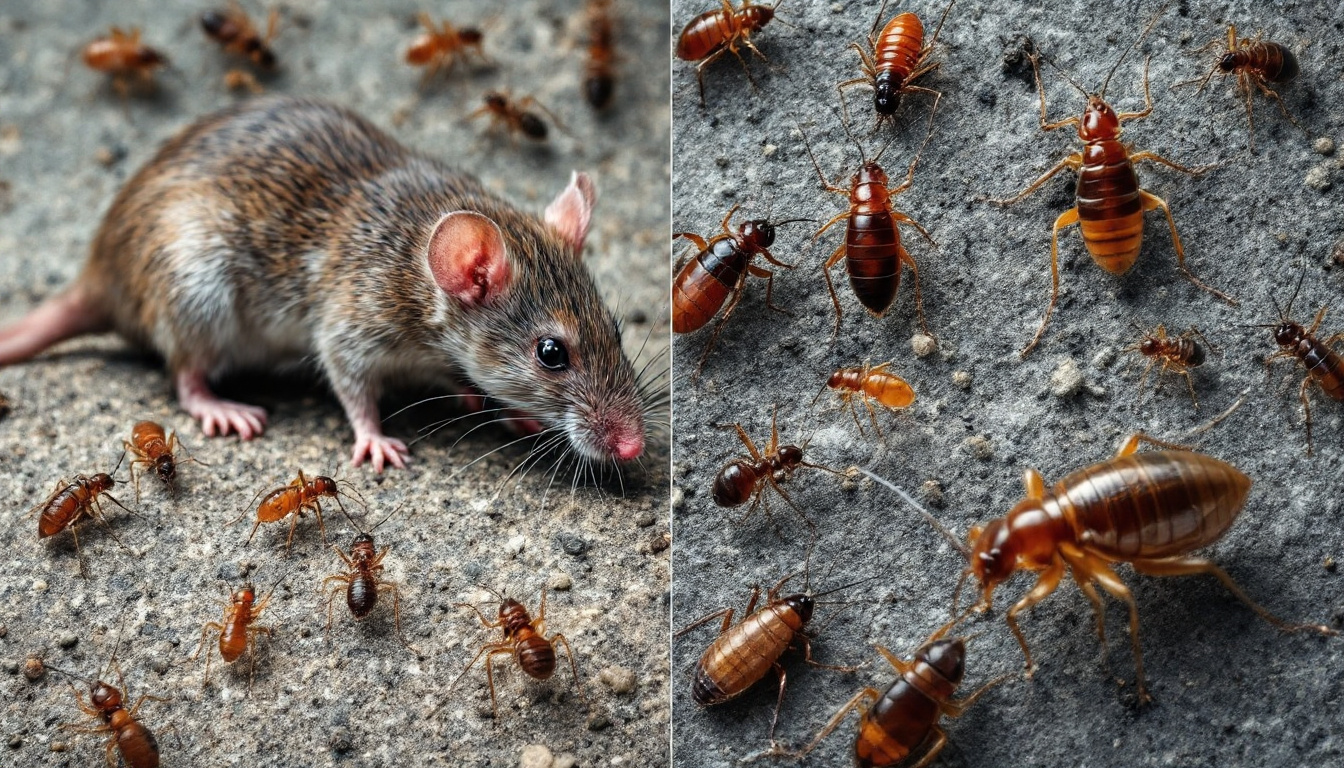
While a single trap or bait station might catch an individual rat, they are often insufficient for controlling established rat populations. A widespread infestation requires a comprehensive strategy that only a professional can provide. Experts have the knowledge and tools to accurately identify the scale of the problem, locate all entry points, and implement effective, targeted solutions to protect your entire property.
Protect Your Home with Enviroguard Pest Control
Don't let roof rats or other pests threaten the health and safety of your home or business. The increasing roof rat populations require a serious response. At Enviroguard Pest Control, our local experts bring over 40 years of combined experience to provide you with environmentally friendly and family-safe pest control solutions. We're committed to keeping your property pest-free year-round with attentive customer service and detailed pest management. As a trusted, family-owned business, we understand the importance of a healthy environment. Take the first step towards a sustainable, pest-free space and Contact Us today for a consultation.